The questionNo. 18
Is Pasta Healthy, or Just Comforting?
- Theme
- Kitchen & Plate
- Written
- Reading time
- 4 min
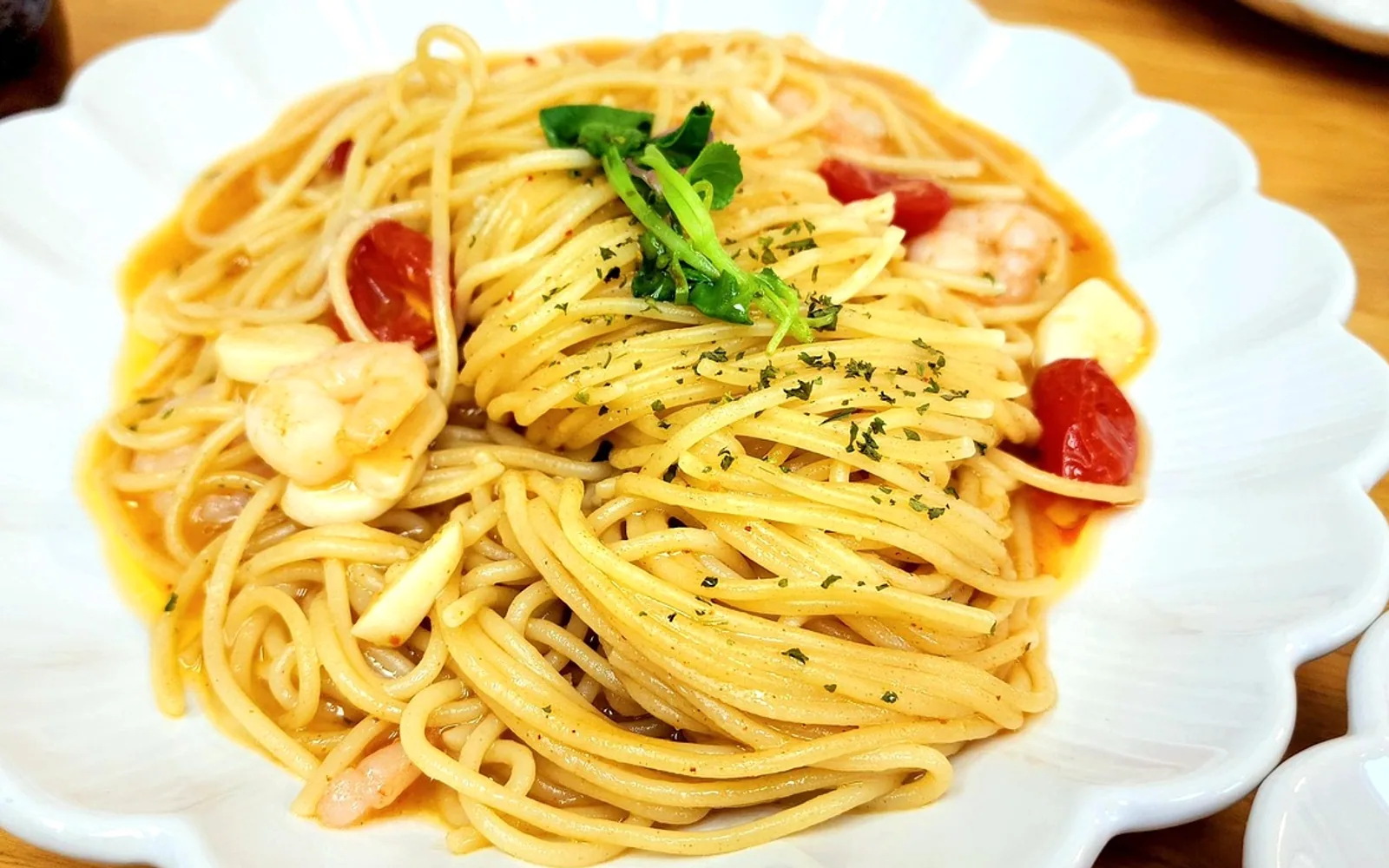
Pasta can absolutely be part of a healthy way of eating. It is a starchy food, in the same family as bread, rice and potatoes, and starchy foods are meant to make up a fair share of a balanced diet. Whether a particular bowl is a good everyday choice depends on three things: how much is in it, which kind of pasta you use and what you serve with it. A modest portion of wholewheat spaghetti with a tomato and vegetable sauce is a very different meal from a heaped plate swimming in cream and cheese.
What does plain pasta actually contain?
Ordinary dried pasta is made mainly from durum wheat flour and water, sometimes with egg. On its own it provides:
- Starch, a carbohydrate that the body breaks down for energy.
- Some protein, since wheat contains a modest amount.
- A little fibre, noticeably more in wholewheat versions.
- Very little fat or salt until the sauce, cheese and cooking water add them.
In other words, plain pasta is a fairly simple, filling base. Most of the differences between a light pasta meal and a heavy one come from what goes on top.
Does pasta have protein?
Yes, some, but it is not a major source. Pasta made from lentil, chickpea or pea flour usually contains more protein and fibre than wheat pasta, which some people find more filling. With regular pasta, adding a protein-rich ingredient turns a side dish into a proper meal. Beans and lentils are an easy option, and our answer on whether beans have protein looks at how far they go.
White or wholewheat?
| White (refined) pasta | Wholewheat pasta | |
|---|---|---|
| Fibre | Lower | Higher, as the outer bran of the grain is kept |
| Texture and taste | Soft and mild | Firmer, slightly nutty |
| Fullness | Can leave you hungry sooner | Often feels more satisfying for longer |
| Best with | Light sauces, delicate dishes | Robust sauces, beans, roasted vegetables |
Is wholewheat pasta healthy? For most people it is the better everyday pick, mainly because of the extra fibre. If the change feels too big, mixing half white and half wholewheat in the same pan is a gentle way to get used to the taste. Increasing fibre gradually also helps the gut adjust, as our answer on eating more fibre without an upset stomach explains.
How to build a balanced bowl
- Weigh the pasta once or twice. Packet guidance gives a typical dry portion, and seeing it on the scales resets your idea of what a serving looks like.
- Fill about half the bowl with vegetables. Spinach, peppers, courgettes, peas and broccoli all work, and frozen vegetables make this easy on a busy evening.
- Add a source of protein. Beans, lentils, fish, eggs, chicken, tofu or a little cheese all count.
- Lean towards tomato and vegetable sauces. Creamy, buttery and very cheesy sauces are fine as an occasional treat but add a lot of saturated fat.
- Keep an eye on salt. Jarred sauces, hard cheeses and cured meats can add more than you might expect, so check labels and taste before adding extra.
- Cook it al dente. Many people find firmer pasta more satisfying, and it is often described as being digested a little more slowly than very soft pasta.
Common questions
Is pasta bad for weight loss?
No single food causes weight gain on its own. What matters is the overall amount eaten across the day and week. Pasta can fit into a weight-loss plan if portions are sensible and the bowl is bulked out with vegetables and protein. Anyone following a particular plan for medical reasons should check with a GP or dietitian.
Is cold pasta salad healthier than hot pasta?
When cooked pasta is cooled, some of its starch changes into a form that behaves a little like fibre. The effect is modest, and it is not a reason to eat more pasta, but a pasta salad packed with vegetables and beans is a perfectly good lunch. Cool leftovers quickly, keep them in the fridge and eat them soon.
What about gluten-free pasta?
People with coeliac disease need to avoid gluten completely, and gluten-free pasta made from rice, corn, buckwheat or legumes makes that easier. For everyone else, gluten-free versions are not automatically healthier, so compare labels as you would with any other product.
I have diabetes. Can I still eat pasta?
Many people with diabetes do include pasta, paying attention to portion size and what it is eaten with. Because carbohydrate affects blood sugar, it is worth talking to your GP, practice nurse or a dietitian about how pasta fits into your own plan.
So, healthy or comforting?
Both, and there is no conflict between the two. A sensible portion of pasta, ideally wholewheat, with plenty of vegetables, some protein and a lighter sauce makes a balanced, affordable meal. The rich, creamy versions can stay as occasional comfort food without any guilt attached.
Across the sections

Spotted a mistake?
A short note is enough.
Neighbouring questions
- No. 26Is It Better to Drink Cold or Warm Water?4 min
- No. 22Do Beans Have Protein, and Are They Enough on Their Own?4 min
- No. 12How Do I Eat More Fibre Without Upsetting My Stomach?3 min
Other themes to explore