The questionNo. 26
Is It Better to Drink Cold or Warm Water?
- Theme
- Kitchen & Plate
- Written
- Reading time
- 4 min
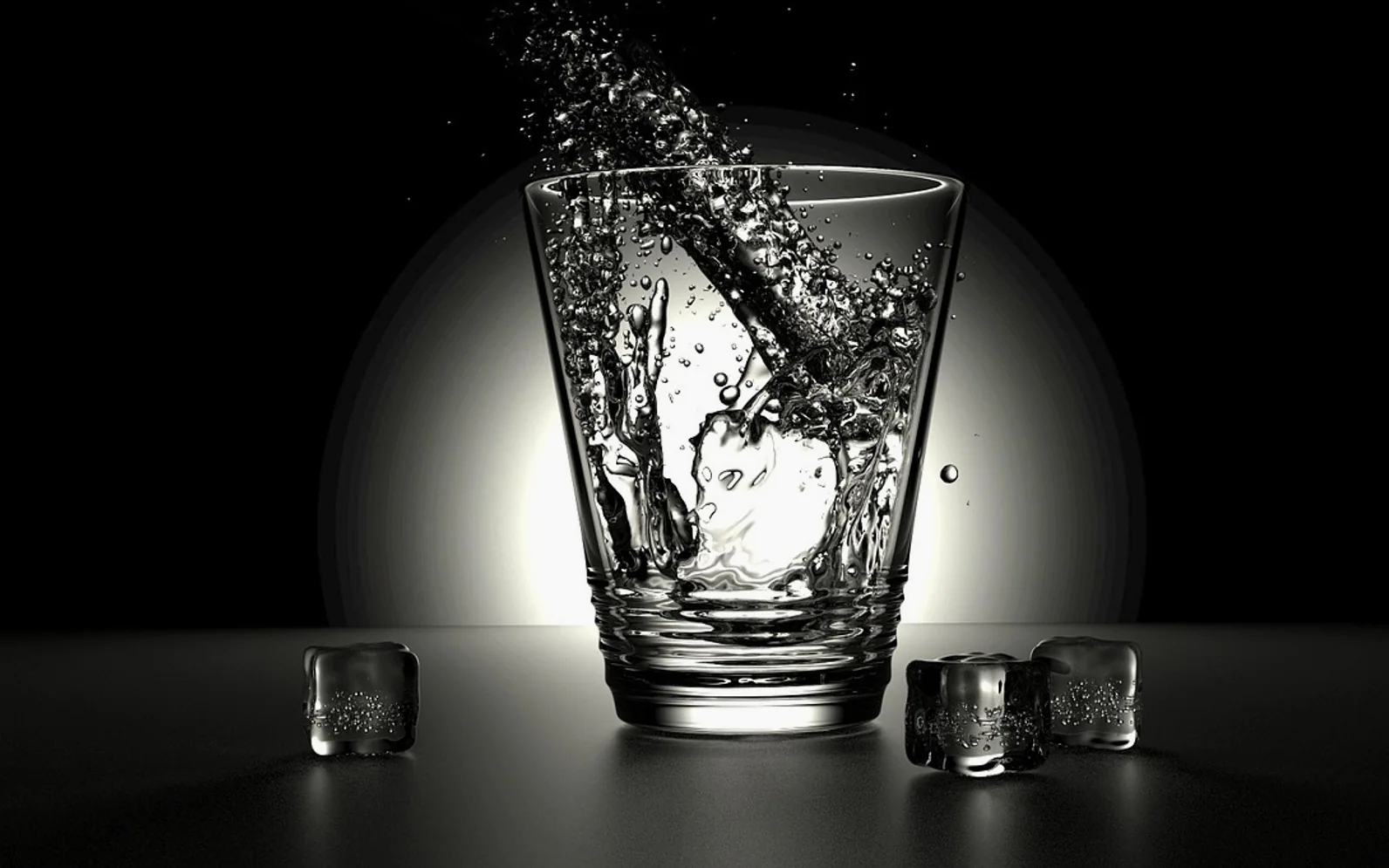
For most healthy adults, neither temperature is better in any important way. Cold water and warm water both hydrate you equally well, and the most useful choice is simply the one you find easy to drink often. There are a few situations where one feels more pleasant or practical than the other, and a handful of people who may want to steer one way, but the big health claims attached to water temperature tend not to hold up.
Popular claims, and what holds up
| Claim | A more realistic view |
|---|---|
| Cold water harms digestion | There is no good reason to think cold drinks damage digestion in healthy people. Some individuals do find warm drinks more comfortable with meals, which is a matter of preference. |
| Warm water flushes out toxins | The liver and kidneys handle the body's waste whatever the temperature of your drink. Warm water is pleasant, not a cleanse. |
| Drinking cold water burns lots of calories | The body uses a tiny amount of energy warming a cold drink. It is not a meaningful weight-loss tool. |
| Warm water cures a cold | Warm drinks can soothe a sore throat and feel comforting, but they do not shorten an infection. |
| Cold water after exercise is dangerous | For most people, a cool drink after activity is refreshing and encourages them to drink enough. |
When cold water can be the better pick
- Hot weather. A cool drink feels refreshing, and people often drink more of it when it is chilled.
- During and after exercise. Cool water is usually more appealing when you are warm and sweaty, which helps you replace lost fluid. Our answer on whether riding a bike is good exercise suggests carrying a bottle on longer rides.
- When you simply prefer it. If cold water is the only way you will drink enough, that is reason enough.
When warm water can be the better pick
- A sore or scratchy throat. Warm drinks, perhaps with honey for adults and children over one year, often feel soothing.
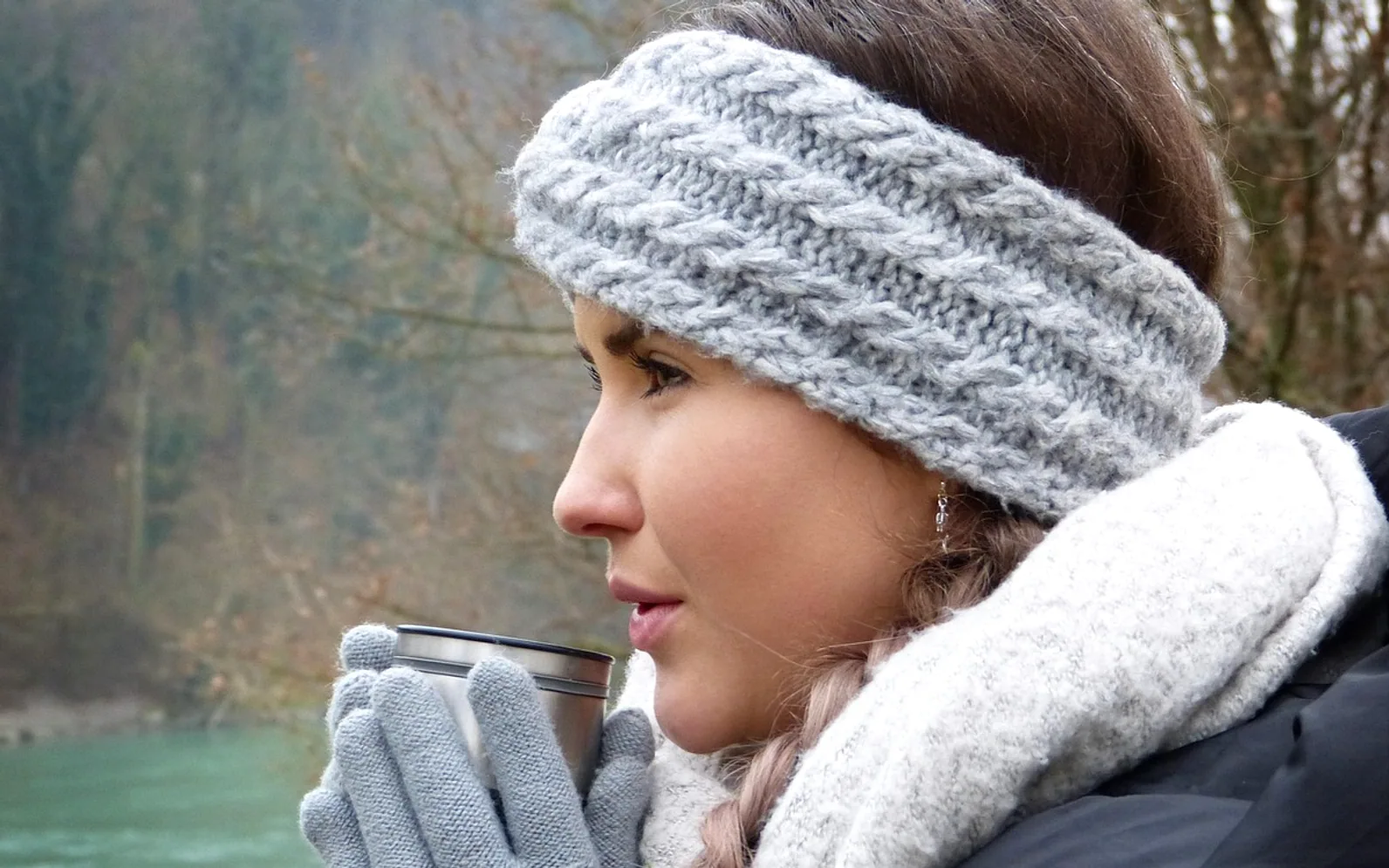
- Cold days. A warm mug can be more inviting than a cold glass when you are chilly.
- Sensitive teeth. If cold drinks give you a sharp twinge, lukewarm water may be more comfortable. New or worsening sensitivity is worth mentioning at your next dental check-up, or sooner if it is painful.
- Morning routines. Some people find a warm drink first thing helps them feel settled and gets the day started, including their digestion. That is a personal observation rather than a rule, but there is no harm in it.
A word on very hot drinks
Warm is not the same as scalding. Drinking liquids straight from a boiling kettle can burn the mouth and throat, and health bodies advise against making a habit of drinking very hot drinks. Letting a cup cool for a few minutes is a simple precaution.
Who might want to think about temperature?
- People who get cold-triggered headaches. Some people notice that icy drinks bring on a sharp headache or, in those prone to them, a migraine. Sipping more slowly or choosing cool rather than icy water can help.
- People with swallowing difficulties. Anyone who has been given advice on drinks by a speech and language therapist or doctor should follow it.
- People on fluid limits. Those with certain heart or kidney conditions may have been told how much to drink each day. That advice matters far more than temperature.
- Older adults. Thirst can become less reliable with age, so having a drink you enjoy within reach through the day, warm or cold, is a practical help.
How much should you drink?
UK guidance often mentions around six to eight glasses of fluid a day for adults, with more needed in hot weather, during exercise or when unwell. Water, milk, lower-sugar drinks, tea and coffee all count. Two easy checks are whether you feel thirsty and the colour of your urine: pale straw is generally a good sign, while dark yellow suggests you could drink more. Drinking enough also matters when you add more fibre to your diet, as our answer on eating more fibre without an upset stomach explains.
Ways to drink a little more
- Keep a glass or bottle in sight at your desk, by the sofa or next to the bed.
- Have a drink with every meal and snack.
- Add a slice of lemon, cucumber or a few berries if plain water feels dull.
- Use whichever temperature you enjoy, and switch with the seasons.
When to get advice
Speak to a GP if you are constantly thirsty despite drinking plenty, are passing much more urine than usual, or feel dizzy and lightheaded often. Seek urgent help for signs of serious dehydration, such as confusion, a very fast heartbeat or passing little or no urine, particularly in young children and older adults.
The bottom line
Cold or warm, water does the same job. Choose cold when it is hot or you have been active, warm when your throat is sore or the day is chilly, and avoid drinks that are scalding. The temperature that keeps you sipping through the day is the right one for you.
Across the sections


Spotted a mistake?
A short note is enough.
Neighbouring questions
- No. 22Do Beans Have Protein, and Are They Enough on Their Own?4 min
- No. 18Is Pasta Healthy, or Just Comforting?4 min
- No. 12How Do I Eat More Fibre Without Upsetting My Stomach?3 min
Other themes to explore