The questionNo. 16
Why Are My Teeth Yellow, and What Can Make a Difference?
- Theme
- Smile Care
- Written
- Reading time
- 4 min
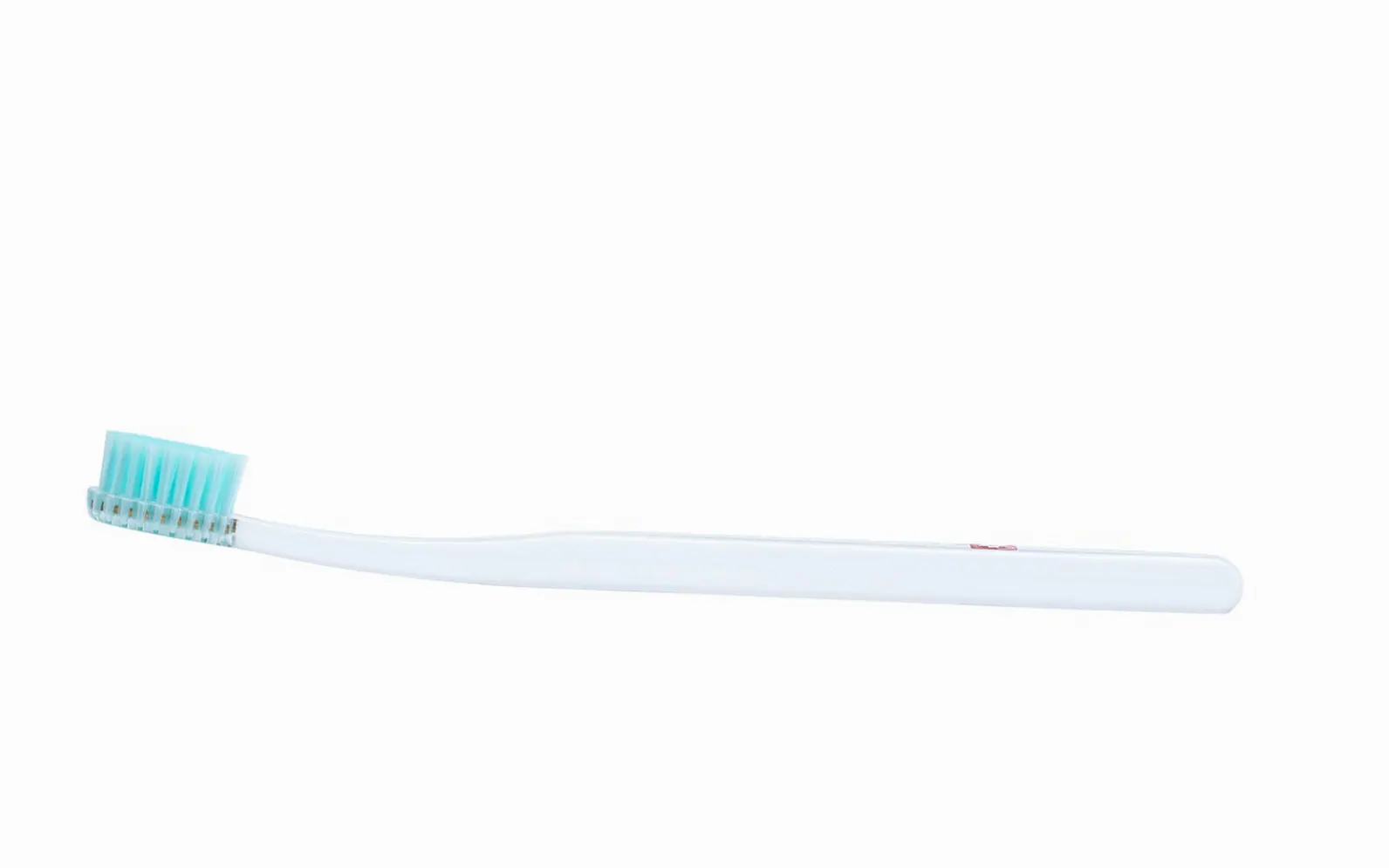
Teeth are rarely pure white, and a creamy or slightly yellow tone is common in perfectly healthy mouths. When teeth look more yellow than you would like, the cause is usually one of four things: stains sitting on the surface, a build-up of plaque and tartar, enamel that has become thinner and lets the darker layer beneath show through, or simply the shade you were born with. Each one responds to different things, so it helps to work out which is most likely in your case.
The main reasons teeth look yellow
| Cause | What is going on | What tends to help |
|---|---|---|
| Surface stains | Pigments from tea, coffee, red wine, cola, curry spices or tobacco cling to the outer layer of enamel. | Good daily brushing, rinsing with water after dark drinks and a professional clean. |
| Plaque and tartar | Soft plaque that is not removed can harden into tartar, which looks yellow or brown, often along the gum line. | Plaque comes off with brushing and cleaning between teeth; tartar needs removing at the dental practice. |
| Thinner enamel | Enamel is slightly translucent. As it wears from acid, age or heavy brushing, the yellower dentine underneath shows more. | Protecting what is left: gentle brushing, fluoride toothpaste and fewer acidic sips through the day. |
| Natural shade | Some people simply have teeth with a warmer, deeper tone. | Nothing needs fixing; any cosmetic change is a personal choice to discuss with a dentist. |
| Medicines or childhood factors | Certain medicines taken while teeth were still forming, or too much fluoride in early childhood, can affect colour from within. | Home care will not shift this kind of colour; a dentist can explain the options. |
Are yellow teeth unhealthy?
Not necessarily. Colour on its own is not a measure of how healthy a tooth is, and a slightly yellow tooth with strong enamel and healthy gums is in better shape than a very white one with decay hiding between teeth. What deserves attention is a change: a tooth that darkens after a knock, new brown or chalky white patches, or a shift in colour that comes with sensitivity or pain. Those are signs to book a dental visit rather than reach for a whitening product.
What can make a difference at home?
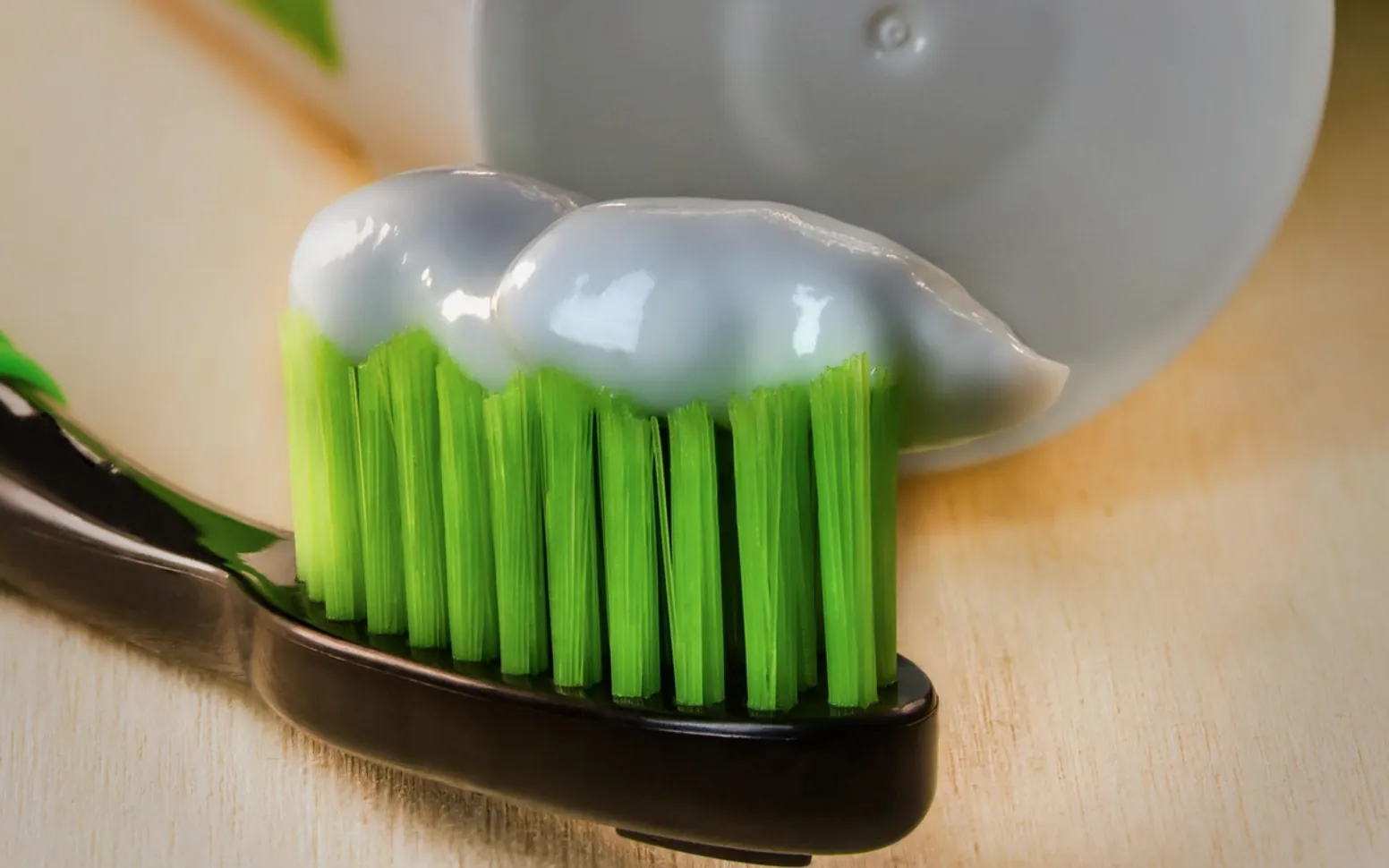
- Brush twice a day with a fluoride toothpaste, for about two minutes, paying attention to the gum line where plaque collects.
- Be gentle. Scrubbing hard does not make teeth whiter and can wear enamel and gums over time. A soft or medium brush and small movements work well.
- Clean between your teeth with floss or interdental brushes, since stains and tartar love the gaps.
- Rinse with water after tea, coffee or red wine. It is a small habit that limits how long pigments sit on the enamel.
- Time your brushing around acidic food. Brushing straight after something acidic can be harder on softened enamel, which our answer on brushing before or after breakfast explains.
- Stopping smoking removes one of the strongest sources of staining, along with many wider health benefits. A pharmacist or GP can point you to local stop-smoking support.
Do whitening toothpastes actually work?
They can help lift surface stains, mostly through mild polishing or stain-loosening ingredients. They do not change the colour of the tooth itself, so they make little difference to a natural deep shade or to colour coming from inside. Very abrasive products used heavily may add to enamel wear, so it is sensible to ask a dentist or hygienist which kind of toothpaste suits your teeth.
Can a mouthwash remove yellow stains?
Not really. Rinses can freshen breath or add fluoride, but they do not scrub stains away. Some antiseptic mouthwashes are actually known to cause brownish staining when used for long periods, which is one reason to follow a dentist's advice on how long to use them. Our answer on whether mouthwash is necessary covers where a rinse fits in a routine.
What a dental practice can offer
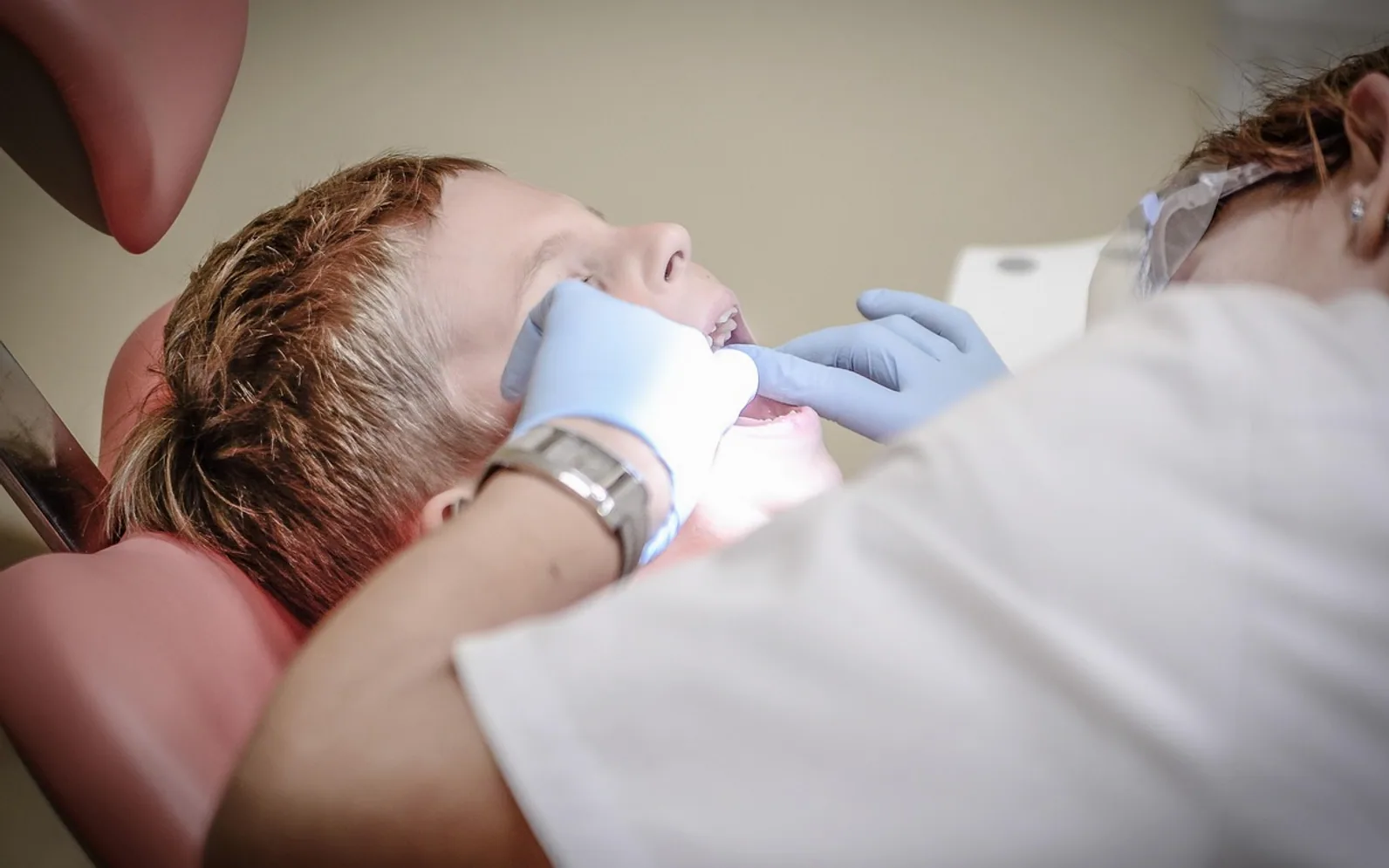
A scale and polish removes tartar and many surface stains that home brushing cannot shift, and it often makes a visible difference on its own. It also gives the dentist a chance to check that the colour is not linked to decay, old fillings or gum problems. Regular visits are covered in more depth in our answer on routine check-ups and long-term dental health.
If you want to change the underlying shade, professional whitening is the route to ask about. Rules on who may provide whitening and which products are allowed vary from country to country, and products sold online or in beauty salons are not always safe for gums and enamel. A dental practice can tell you whether whitening is suitable at all, since crowns, veneers and fillings do not lighten and may end up a different shade from natural teeth.
When to get a tooth checked
- One tooth has turned grey, brown or darker after a fall or a blow to the mouth.
- You notice brown, black or chalky white spots that were not there before.
- Colour changes come with sensitivity to hot, cold or sweet things.
- Gums bleed easily, look swollen or are pulling back from the teeth.
- Whitening products have left your teeth or gums sore.
The bottom line
A yellow tint is usually about stains, tartar, enamel thickness or genes rather than poor health. Gentle, thorough daily care and regular professional cleaning handle the first two well. Thinner enamel is best protected rather than scrubbed, and a naturally warm shade is nothing to worry about. Anything that changes quickly, or comes with pain, is a job for a dentist.
Across the sections


Spotted a mistake?
A short note is enough.
Neighbouring questions
- No. 24What Order Do Baby Teeth Come In?4 min
- No. 20Why Do Wisdom Teeth Exist, and Does Everyone Get Them?4 min
- No. 14Is Mouthwash Necessary, or Just a Nice Extra?3 min
Other themes to explore