The questionNo. 20
Why Do Wisdom Teeth Exist, and Does Everyone Get Them?
- Theme
- Smile Care
- Written
- Reading time
- 4 min
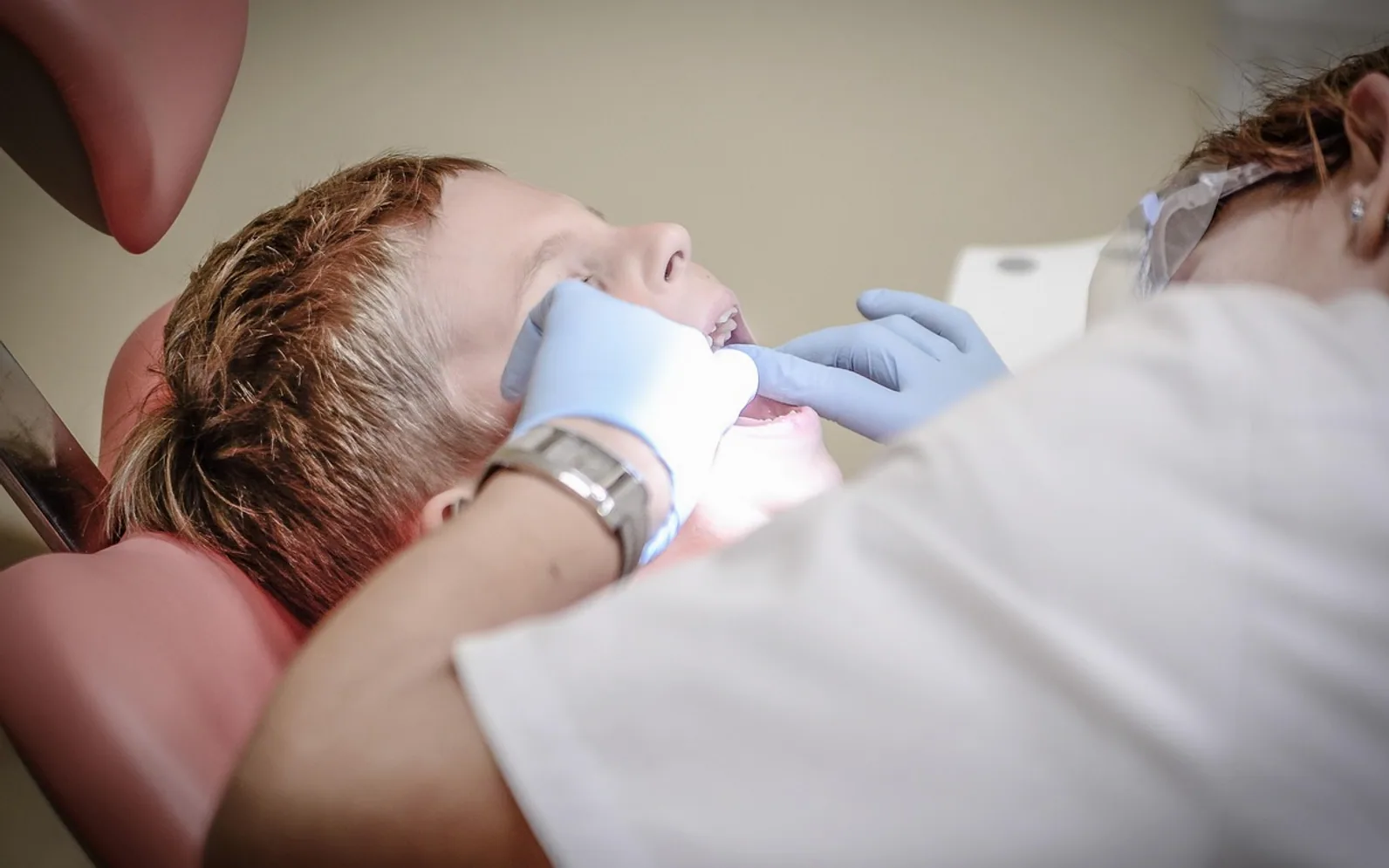
Wisdom teeth are the third set of molars at the very back of the mouth, and they usually appear between the late teens and the mid-twenties. They exist because our distant ancestors needed plenty of grinding teeth for a tough, coarse diet, and the tendency to grow them has stuck around. Not everyone gets them, though. Some people develop all four, others have one, two or three, and some have none at all. When they do arrive, they may come through neatly, partly, or stay hidden under the gum.
Where does the name come from?
They tend to appear years after the other adult teeth, at an age when a person was traditionally thought to have gained a little wisdom. The name is about timing only; having them, or having them removed, has nothing to do with intelligence.
Why do wisdom teeth exist at all?
The most common explanation is evolutionary. Early humans ate rougher food that was harder to chew and wore teeth down over a lifetime. Larger jaws and an extra row of molars gave them more chewing surface, and late-arriving molars could take over as others wore or were lost. Over a very long time, diets changed, food became softer and cooked, and jaws in many populations became relatively smaller. The teeth kept arriving, but the space for them often did not, which is why wisdom teeth are so often crowded or tilted today.
Does every person have wisdom teeth?
No. It is common to be missing one or more of them, and some people never develop any. Whether they form is influenced by genetics, so it often runs in families. An adult with every tooth, wisdom teeth included, has 32 teeth, but having fewer is entirely normal. Sometimes a person believes they have no wisdom teeth because none has appeared, when in fact they are present beneath the gum. A dental X-ray is the only reliable way to know.
Do you need your wisdom teeth?
For most people, wisdom teeth are not essential for chewing, because the other molars do most of that work. Healthy, well-positioned wisdom teeth that are easy to clean can stay put and cause no trouble at all. The decision to take one out is usually about problems it is causing or is likely to cause, not about whether it is needed. Approaches also differ between countries: some dental systems prefer to leave trouble-free wisdom teeth alone, while in others early removal is discussed more often. A dentist who has examined your mouth and X-rays is best placed to advise.
| Situation | What it often means |
|---|---|
| Fully through, upright and easy to clean | Usually fine to keep, with good brushing and regular check-ups |
| Hidden under the gum and causing no symptoms | Often monitored rather than treated |
| Partly through, with gum flapping over it | Food can collect underneath, which may lead to sore, infected gum |
| Tilted against the neighbouring molar | Hard to clean and may raise the risk of decay in either tooth |
| Repeated pain, swelling or infection | A common reason for a dentist to discuss removal |
Questions people often ask
Why do wisdom teeth hurt when they come through?
As the tooth pushes through the gum, the tissue can become tender and a little swollen, much like teething in babies. Partly erupted teeth are especially prone to trapping food and bacteria under the flap of gum, which can lead to inflammation. Mild discomfort that comes and goes may settle on its own, but repeated or worsening pain is worth a dental visit.
How do I keep a back tooth clean?
A small-headed toothbrush angled towards the back of the mouth reaches better than a large one. Single-tuft brushes, which have one small cluster of bristles, are handy for tricky corners. Rinsing with water after meals can loosen trapped food. Some people use a mouthwash too; our answer on whether mouthwash is necessary covers when a rinse is useful and when it is just an extra.
Can wisdom teeth make my other teeth crooked?
It is often blamed, but the link is debated, and teeth can shift for several reasons over a lifetime. If you notice your teeth moving, a dentist or orthodontist can look at what is happening in your particular case.
When do teeth first appear, if wisdom teeth come last?
The first teeth usually arrive in infancy, and they follow a fairly predictable order. Our answer on the order baby teeth come in walks through it from the first tooth onwards.
When to see a dentist
- Pain or swelling at the back of the mouth that keeps returning.
- A bad taste or smell from around a back tooth.
- Gum over a wisdom tooth that is red, swollen or bleeding.
- Difficulty opening your mouth fully.
Seek urgent help if swelling spreads to your face or neck, or comes with a high temperature, difficulty swallowing or difficulty breathing. Regular visits also allow wisdom teeth to be watched over time, which is one of the many reasons covered in our answer on routine dental check-ups.
In a sentence
Wisdom teeth are a leftover from ancestors who needed more chewing power, not everyone gets them, and the ones that come through cleanly can often stay, while those causing repeated trouble are a matter for a dentist to assess.
Across the sections


Spotted a mistake?
A short note is enough.
Neighbouring questions
- No. 24What Order Do Baby Teeth Come In?4 min
- No. 16Why Are My Teeth Yellow, and What Can Make a Difference?4 min
- No. 14Is Mouthwash Necessary, or Just a Nice Extra?3 min
Other themes to explore