The questionNo. 13
Should You Brush Your Teeth Before or After Breakfast?
- Theme
- Smile Care
- Written
- Reading time
- 3 min
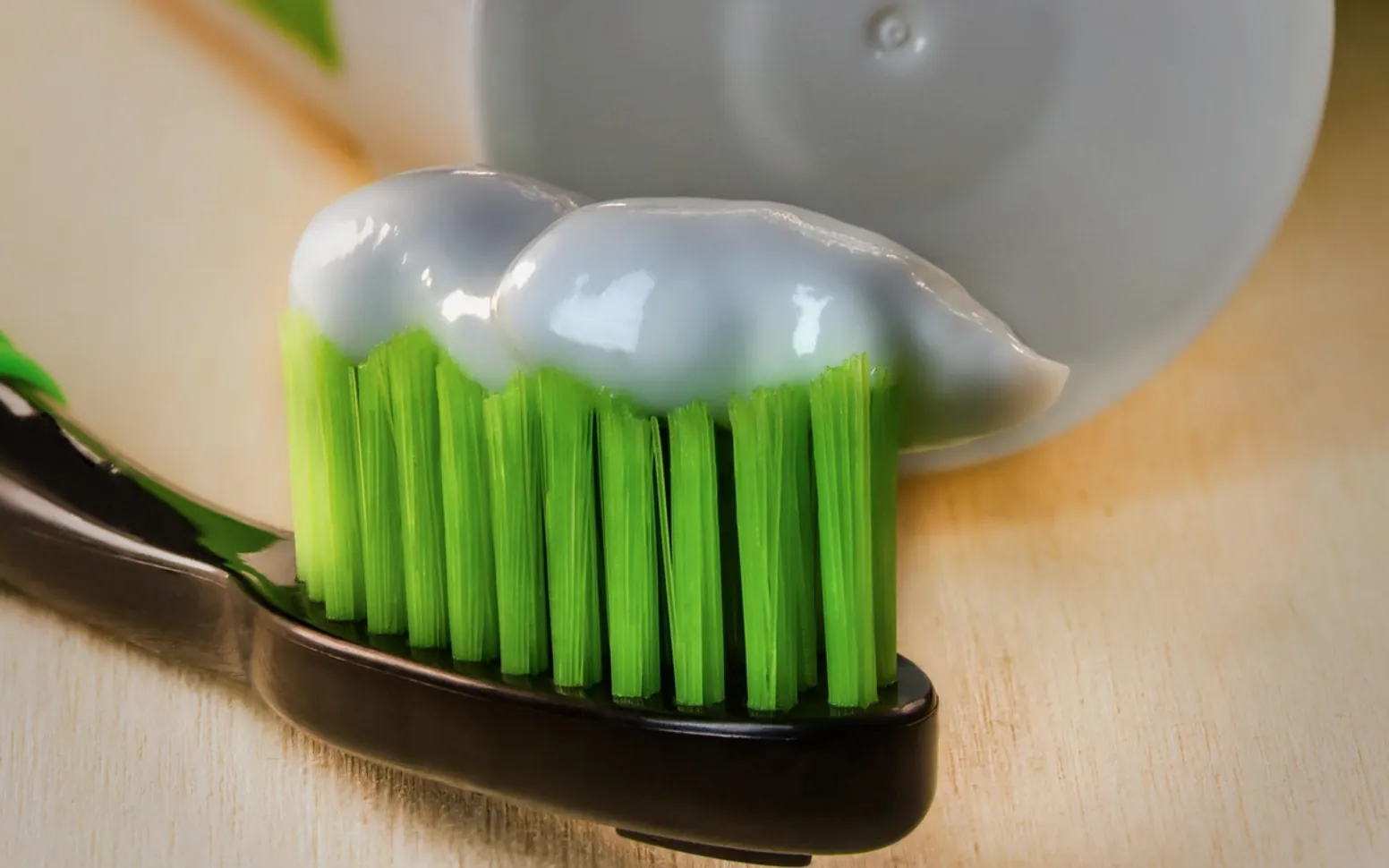
Mornings tend to run on autopilot. Some people head straight from bed to the bathroom and brush before anything else; others wait until breakfast is done so their mouth feels fresh for the day. Both habits are common, and both feel logical. But if you have ever wondered whether one is better for your teeth, the answer has to do with acid, enamel and a little bit of patience.
What is the case for brushing before breakfast?
Overnight, plaque builds up on the teeth, which is part of the reason mouths feel less than fresh on waking. Brushing first thing clears that away and leaves a layer of fluoride from the toothpaste on the teeth before you eat or drink. That fluoride helps protect enamel against the acids that follow. Brushing straight after waking also gets the job done before the morning rush can push it aside, which for many people is the biggest benefit of all.
Why can brushing straight after eating be a problem?
Many breakfast favourites are acidic: orange juice, citrus fruit, some yoghurts, fruit teas and even coffee. Acid softens the outer surface of the enamel for a while after you eat or drink. If you brush vigorously during that time, you may wear away a little more of the softened surface than you would otherwise. Once or twice will not matter much, but over years, this kind of wear can contribute to sensitive teeth and a duller look.
Saliva gradually neutralises the acid and helps enamel recover, which is why the usual advice, if you do brush after eating, is to wait a while first. Many dental teams suggest leaving it for around an hour after acidic food or drinks.
So which is better?
For most people, brushing before breakfast is the simpler choice, because it avoids the waiting game entirely. That said, the most important things are brushing twice a day, for about two minutes, with a fluoride toothpaste, and doing it every day. If brushing after breakfast is the only way it reliably happens in your house, it is still far better than skipping it. Just leave a gap after acidic foods, and rinse with water in the meantime.
A simple morning routine
- Brush gently for about two minutes with a fluoride toothpaste soon after you get up.
- Spit out the toothpaste but avoid rinsing with lots of water, so some fluoride stays on the teeth.
- Eat breakfast as usual.
- Afterwards, rinse your mouth with water or chew sugar-free gum if you want to freshen up.
What about the evening brush?
The last brush of the day is arguably the most important, because saliva flow drops while you sleep and the mouth has less natural protection overnight. Brush last thing before bed, after your final snack or drink, and avoid eating or drinking anything other than water afterwards. If you also use mouthwash, our answer on whether mouthwash is necessary explains why the timing of that matters too.
Are there other ways to protect enamel at breakfast?
- Have fruit juice with a meal rather than sipping it on its own, and consider swapping it for whole fruit.
- Drink water after coffee or fruit tea to rinse acids away.
- Use a soft or medium brush and gentle pressure, especially if your teeth are sensitive.
- Keep sugary foods to mealtimes rather than grazing through the morning.
When should I talk to a dentist?
If your teeth feel sensitive to hot or cold, look worn, chipped or more see-through at the edges, or if your gums bleed when you brush, mention it at your next appointment or book one sooner. These changes can have many causes, and a dentist can check what is going on and suggest what will help. Regular visits are also a good chance to ask whether your brushing technique could be gentler; our piece on routine dental check-ups explains what those appointments usually involve.
The takeaway
Brushing before breakfast keeps things simple and protects your enamel from being brushed while it is softened. If after breakfast works better for you, wait a while after anything acidic. Either way, the habit that matters most is the one you keep up: twice a day, two minutes, fluoride toothpaste, every day.
Across the sections


Spotted a mistake?
A short note is enough.
Neighbouring questions
- No. 24What Order Do Baby Teeth Come In?4 min
- No. 20Why Do Wisdom Teeth Exist, and Does Everyone Get Them?4 min
- No. 16Why Are My Teeth Yellow, and What Can Make a Difference?4 min
Other themes to explore