The questionNo. 14
Is Mouthwash Necessary, or Just a Nice Extra?
- Theme
- Smile Care
- Written
- Reading time
- 3 min
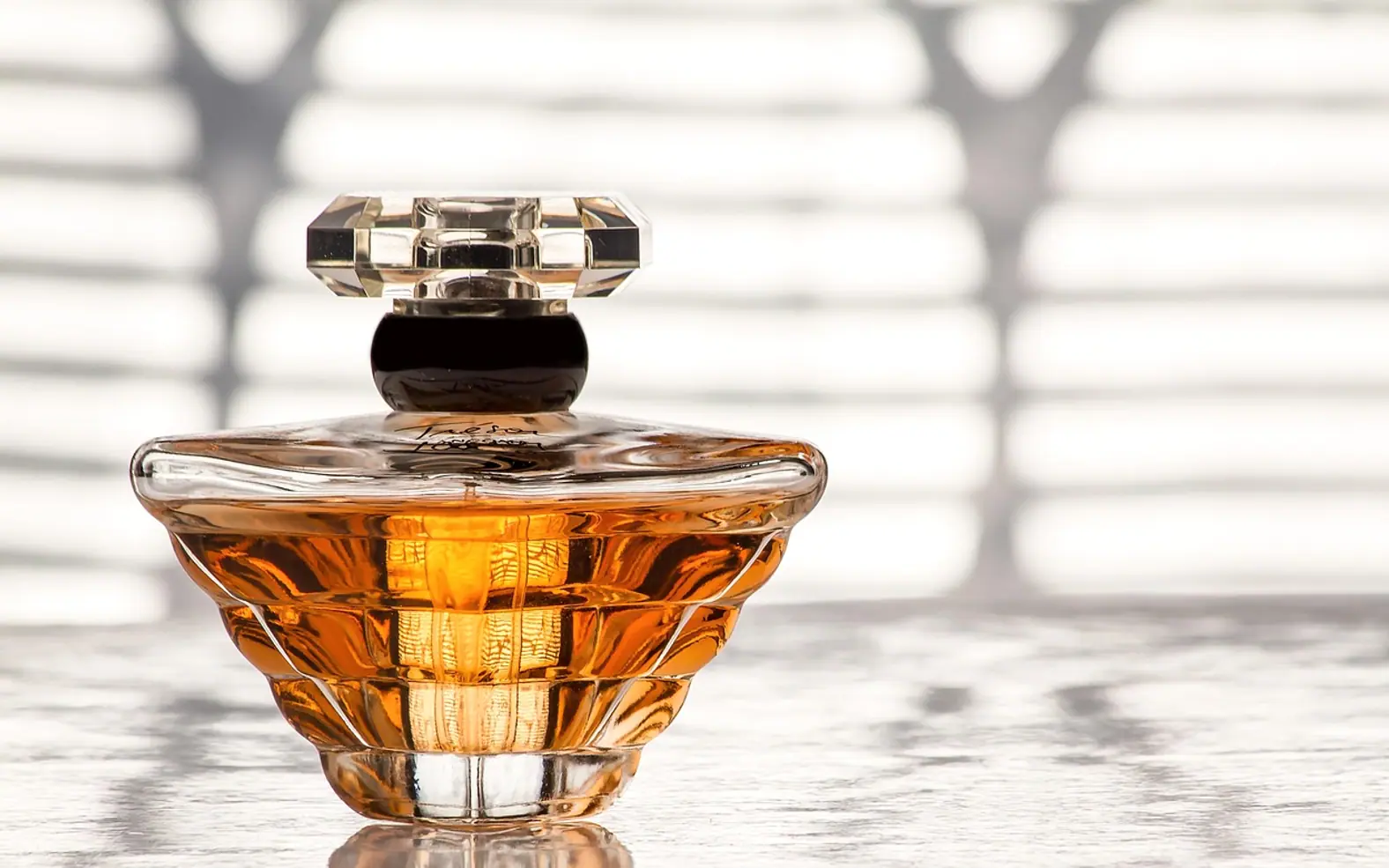
Stand in front of the oral care shelf and it is easy to feel that a proper routine needs three or four products. Mouthwash in particular comes in a rainbow of colours and promises: fresher breath, stronger teeth, healthier gums, whiter smiles. So is it an essential part of looking after your mouth, or a pleasant extra that some people enjoy? For most people, it is closer to the second.
What does mouthwash actually do?
Mouthwash is a liquid you swish around your mouth and spit out. Depending on the type, it may contain fluoride to help protect enamel, ingredients that reduce bacteria for a while, flavourings that freshen breath, or a mixture of these. Some are cosmetic, aimed mainly at taste and freshness. Others are designed for particular situations and may be suggested by a dentist for a set period, for example after some treatments.
What mouthwash cannot do is remove plaque that is stuck to the teeth. Plaque is a sticky film, and it needs the physical action of a toothbrush and cleaning between the teeth to shift it. A rinse can reach places, but it cannot scrub them.
So do I need it?
If you brush twice a day with a fluoride toothpaste, clean between your teeth and see a dentist as often as they recommend, many people will not need mouthwash at all. It is not a substitute for any of those steps. That said, it can be useful for some people, such as:
- those who find a fluoride rinse helpful for extra protection, if their dentist suggests it
- people wearing braces, where cleaning around wires is tricky
- anyone recovering from dental treatment who has been given specific advice
- people who simply enjoy the fresh feeling and use it alongside, not instead of, brushing
When should I use it?
Timing matters more than most people realise. If you rinse with mouthwash straight after brushing, you can wash away the concentrated fluoride your toothpaste has just left on your teeth. Many dental teams suggest using mouthwash at a different time of day instead, for example after lunch, so that you get the benefit of both. After brushing, the general advice is to spit out the toothpaste and leave your mouth unrinsed. Our answer on brushing before or after breakfast has more on fitting this into your morning.
How should I use it?
- Read the label and follow the directions for how much to use and for how long.
- Swish it around your mouth, then spit it out; do not swallow it.
- Avoid eating or drinking for a short while afterwards if the product contains fluoride.
- Keep it out of reach of young children, and check the label for age guidance.
Can mouthwash cover up a problem?
It can. Bad breath that keeps coming back, even with good brushing, is sometimes linked to gum disease, a dry mouth, tooth decay or other causes that a rinse will only hide for an hour or two. Leaning on mouthwash to mask it can delay finding out what is actually going on. The same goes for gums that bleed when you brush; a minty rinse may make your mouth feel cleaner without dealing with the cause.
Are there any downsides?
Some people find that strongly flavoured or alcohol-containing mouthwashes sting or leave the mouth feeling dry, and alcohol-free versions are widely available. Some specialist rinses can cause temporary staining or a change in taste when used for a long time, which is one reason they are usually recommended for a limited period. A dentist or pharmacist can help you choose a product that suits your mouth and any other health conditions or medicines you have.
When should I see a dentist?
Book an appointment if you have ongoing bad breath, bleeding or swollen gums, a sore that does not heal within a couple of weeks, loose teeth or pain when you bite. These are things a dentist should look at, and regular dental check-ups are the best way to catch problems early, whether or not you use a rinse.
The short answer
Mouthwash is optional for most people. Brushing twice daily with fluoride toothpaste, cleaning between your teeth and keeping up with dental visits do the real work. If you like using a rinse, choose one that suits you, use it at a different time from brushing, and never let it stand in for the basics.
Across the sections


Spotted a mistake?
A short note is enough.
Neighbouring questions
- No. 24What Order Do Baby Teeth Come In?4 min
- No. 20Why Do Wisdom Teeth Exist, and Does Everyone Get Them?4 min
- No. 16Why Are My Teeth Yellow, and What Can Make a Difference?4 min
Other themes to explore