The questionNo. 22
Do Beans Have Protein, and Are They Enough on Their Own?
- Theme
- Kitchen & Plate
- Written
- Reading time
- 4 min
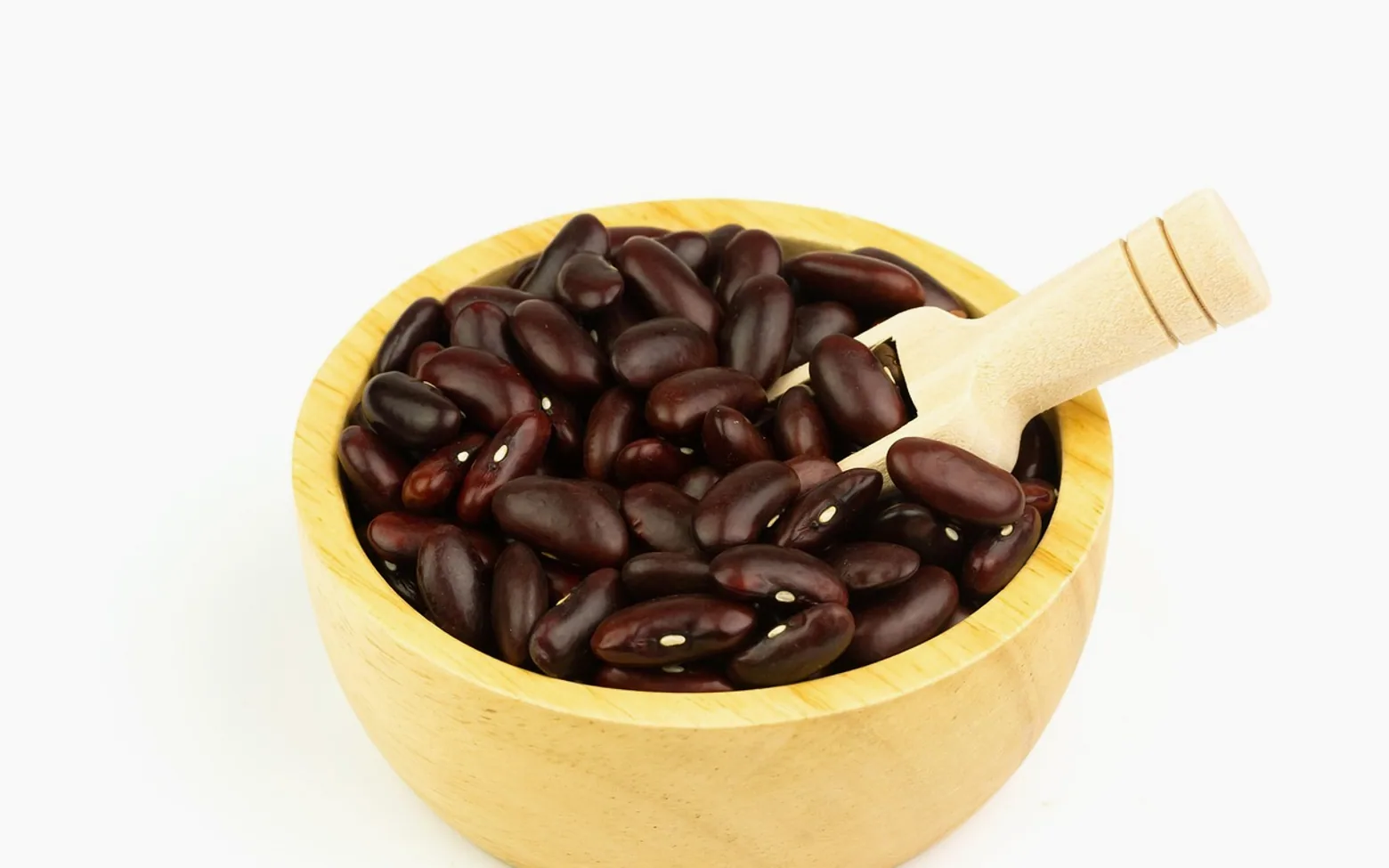
Yes, beans contain a useful amount of protein, along with fibre, starchy carbohydrate and a range of vitamins and minerals. That combination makes them a cheap, filling and versatile ingredient, whether you eat meat or not. On their own they are not quite a complete answer to every protein need, but eaten as part of a varied diet across the day, they pull their weight very well.
Are beans carbs or protein?
Both. By weight, most beans contain more carbohydrate than protein, much of it as starch and fibre, so they sit somewhere between a vegetable, a starchy food and a protein source. That is why healthy-eating guides file them in more than one place. In UK advice, for example, beans and pulses can count towards your daily fruit and vegetable portions, though only once a day however many you eat, while also being listed among the protein foods.
Which beans have the most protein?
Soya beans, including young green edamame, stand out for having noticeably more protein than most other beans. Lentils, split peas and chickpeas are also good sources, and familiar varieties such as black beans, kidney beans, pinto beans and butter beans all make a solid contribution. Green beans and runner beans, which are eaten as whole pods, behave more like ordinary green vegetables and contain much less.
| Bean or pulse | Easy ways to use it | Good to know |
|---|---|---|
| Soya beans and edamame | Steamed as a snack, in stir-fries and salads | Among the richest beans for protein; tofu and soya milk come from them |
| Lentils | Soups, dals, pasta sauces, shepherd's pie | Dried lentils need no soaking and cook fairly quickly |
| Chickpeas | Hummus, curries, roasted as a crunchy snack | Tinned ones are ready to use after a rinse |
| Black and pinto beans | Tacos, burritos, chilli, rice bowls | Mash well for spreads and fillings |
| Red kidney beans | Chilli, stews, bean salads | Dried ones must be soaked and boiled hard, as undercooked kidney beans can cause sickness; tinned are already cooked |
| Baked beans | On toast, with potatoes, in a quick breakfast | Convenient; reduced-salt and reduced-sugar versions are widely available |
Are beans a complete protein?
Proteins are built from smaller units called amino acids, some of which the body cannot make and must get from food. Foods that supply all of these in good proportions are called complete proteins. Most beans are a little low in one of them, while grains such as wheat and rice tend to be low in a different one. Soya is the main exception and is generally treated as a complete protein.
The practical upshot is reassuring. You do not need to combine beans and grains at the same meal. Eating a mix of beans, grains, nuts, seeds and, if you choose, dairy or eggs across the day covers the gaps naturally. Classic pairings such as beans on toast, rice and peas, or lentil dal with bread show that many food traditions worked this out long ago.
Can beans be your main protein?
For many people, yes, as long as the overall diet is varied. Vegetarians and vegans often rely on beans, lentils, soya foods, nuts and seeds together, rather than on beans alone. If you are cutting out animal foods completely, it is worth reading up on nutrients that need more thought, such as vitamin B12 and iron, or talking to a GP or dietitian, especially during pregnancy, for children, or for older adults with smaller appetites.
How to eat more beans without fuss
- Start with small amounts. A few spoonfuls added to a familiar dish is plenty at first. Fibre-rich foods can cause wind while the gut adjusts, and our answer on eating more fibre without an upset stomach explains how to build up gently.
- Rinse tinned beans. Draining and rinsing reduces the salt from the canning liquid.
- Stretch familiar meals. Swap some of the mince in a chilli or bolognese for lentils or beans. Our answer on whether pasta is healthy has more ideas for building a balanced bowl.
- Pair with vegetables. Beans with spinach, peppers or tomatoes make a filling one-pot meal, and frozen vegetables work just as well as fresh.
- Keep a few tins in the cupboard. They turn a sparse fridge into a meal in minutes.
Is there anyone who should be more careful?
People with irritable bowel syndrome sometimes find beans trigger bloating or discomfort, and some benefit from a structured approach guided by a dietitian. Anyone with kidney disease may have been given specific advice about protein or certain minerals, and should follow that advice rather than general tips. If you have a soya or legume allergy, check labels carefully, as these ingredients turn up in many processed foods.
The short of it
Beans have real protein, plenty of fibre and a low price tag. They are not quite complete on their own, apart from soya, but a varied diet fills the gaps without any careful combining. Start small, cook dried kidney beans properly, rinse the tins and let beans quietly take a bigger place on the plate.
Across the sections


Spotted a mistake?
A short note is enough.
Neighbouring questions
- No. 26Is It Better to Drink Cold or Warm Water?4 min
- No. 18Is Pasta Healthy, or Just Comforting?4 min
- No. 12How Do I Eat More Fibre Without Upsetting My Stomach?3 min
Other themes to explore