The questionNo. 11
Are Frozen Vegetables as Healthy as Fresh Ones?
- Theme
- Kitchen & Plate
- Written
- Reading time
- 3 min
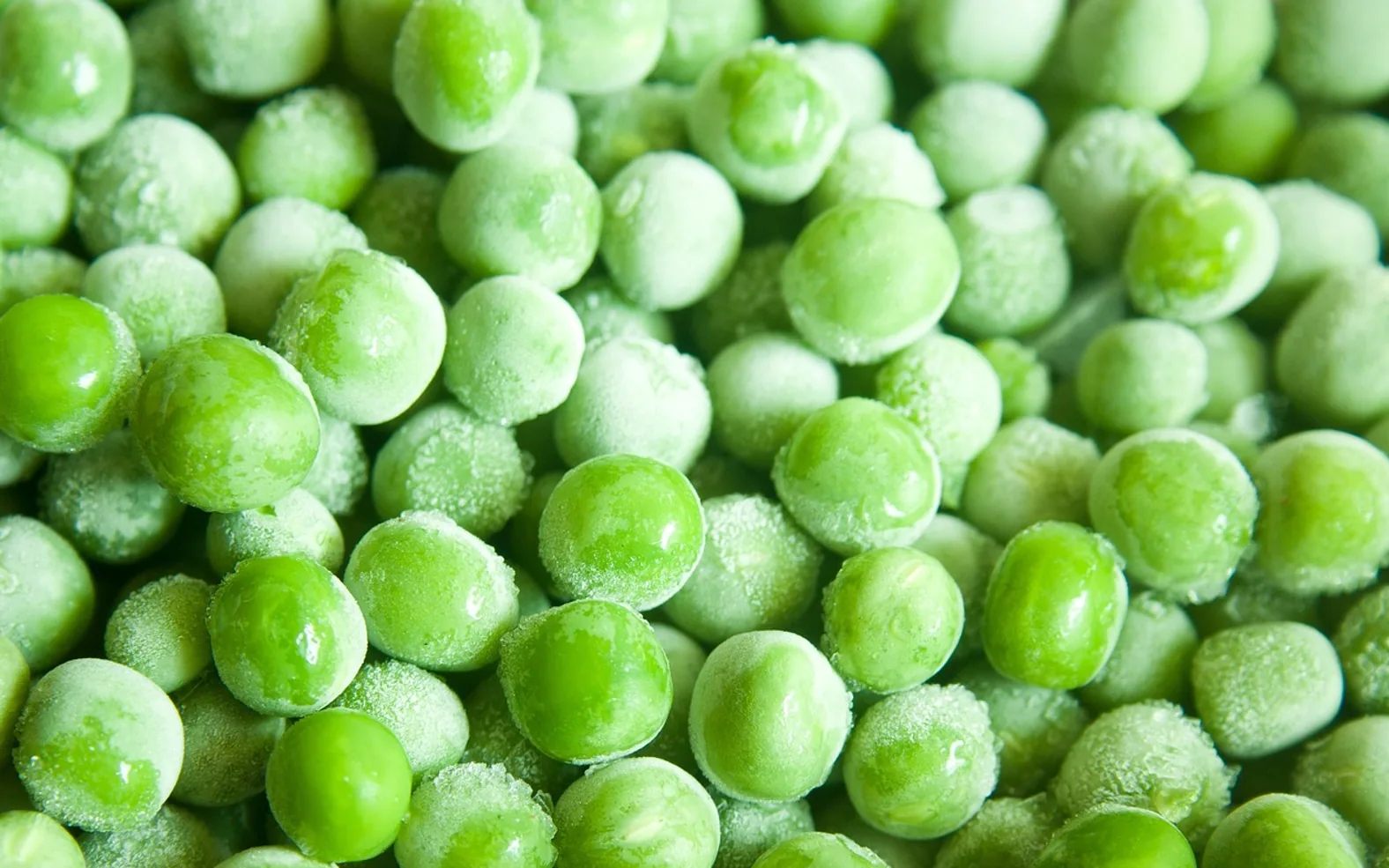
There is a quiet assumption in many kitchens that fresh is always best and frozen is what you fall back on when you have run out of time. Walk past the freezer aisle with that idea in mind and the bags of peas, sweetcorn and spinach can look like a compromise. The reality is more encouraging. For everyday cooking, frozen vegetables can hold their own very well, and for many households they make eating more vegetables genuinely easier.
What happens to vegetables when they are frozen?
Vegetables meant for freezing are usually picked and processed fairly quickly. Many are briefly blanched in hot water or steam first, which helps keep their colour and texture, and then frozen. Blanching can cause some loss of the more delicate vitamins, but once frozen, the vegetables change slowly. Fresh vegetables, on the other hand, start to lose some of their goodness from the moment they are picked, and the longer they spend travelling, sitting on a shelf and then waiting in the fridge, the more that adds up.
So the comparison is less about fresh versus frozen and more about how fresh "fresh" really is. Crisp vegetables from a garden or a local market eaten within a day or two are lovely. A bag of green beans that has been at the back of the fridge for a week may not be the better choice.
Are there any downsides?
- Texture. Freezing softens vegetables, so frozen versions suit soups, stews, stir-fries and sauces better than salads or crudités.
- Added extras. Some frozen products come with butter, cheese or sauce, which can add a fair amount of salt and saturated fat.
- Freezer burn. Bags left open or stored for too long can dry out and lose flavour.
- Limited range. Leafy salad vegetables and some delicate produce do not freeze well at all.
What should I look for on the label?
The simplest frozen vegetables have one ingredient: the vegetable. Plain peas, spinach, broccoli, mixed vegetables and green beans are usually exactly that. If you buy anything with a sauce, seasoning or coating, glance at the ingredients and the nutrition panel so you know what you are getting. Mixed packs designed for stir-fries or soups can be a useful shortcut, as long as they are not mostly sauce.
How do I cook frozen vegetables so they taste good?
- Cook from frozen. Most do not need defrosting first, which stops them going limp and watery.
- Avoid overboiling. Steaming, a quick boil or a few minutes in a hot pan keeps more colour and bite.
- Add them late. Stir peas or spinach into soups, curries and pasta sauces near the end of cooking.
- Roast the sturdy ones. Frozen broccoli, cauliflower and carrots can be roasted in a hot oven with a little oil until the edges brown.
- Season simply. Lemon, garlic, black pepper or fresh herbs lift frozen vegetables without much effort.
Is it safe to refreeze them?
Follow the storage advice on the packet. As a general rule, keep bags sealed, use them within the recommended time, and do not refreeze vegetables that have fully thawed unless you have cooked them first. If in doubt, check the guidance from your local food safety authority.
Why frozen can help you eat better
Perhaps the biggest benefit of frozen vegetables is practical. They do not wilt, they reduce food waste because you only use what you need, and they are ready on evenings when chopping feels impossible. Having a couple of bags on hand makes it far easier to add a handful of something green to whatever you are cooking. They are also an easy way to add more fibre to meals; our answer on eating more fibre without upsetting your stomach has some gentle ways to do that.
If you follow a special diet for a health condition, have been advised to limit certain foods, or are trying to change how you eat in a big way, it is worth talking to a GP, practice nurse or registered dietitian for advice that fits you.
The bottom line
Frozen vegetables are not a lesser option. They are a convenient, flexible way to keep vegetables on the plate all week, and they work beautifully alongside fresh ones. Buy fresh when it is in season and you will eat it soon, keep frozen for everything else, and stop feeling guilty about the bag of peas.
Across the sections


Spotted a mistake?
A short note is enough.
Neighbouring questions
- No. 26Is It Better to Drink Cold or Warm Water?4 min
- No. 22Do Beans Have Protein, and Are They Enough on Their Own?4 min
- No. 18Is Pasta Healthy, or Just Comforting?4 min
Other themes to explore