The questionNo. 12
How Do I Eat More Fibre Without Upsetting My Stomach?
- Theme
- Kitchen & Plate
- Written
- Reading time
- 3 min
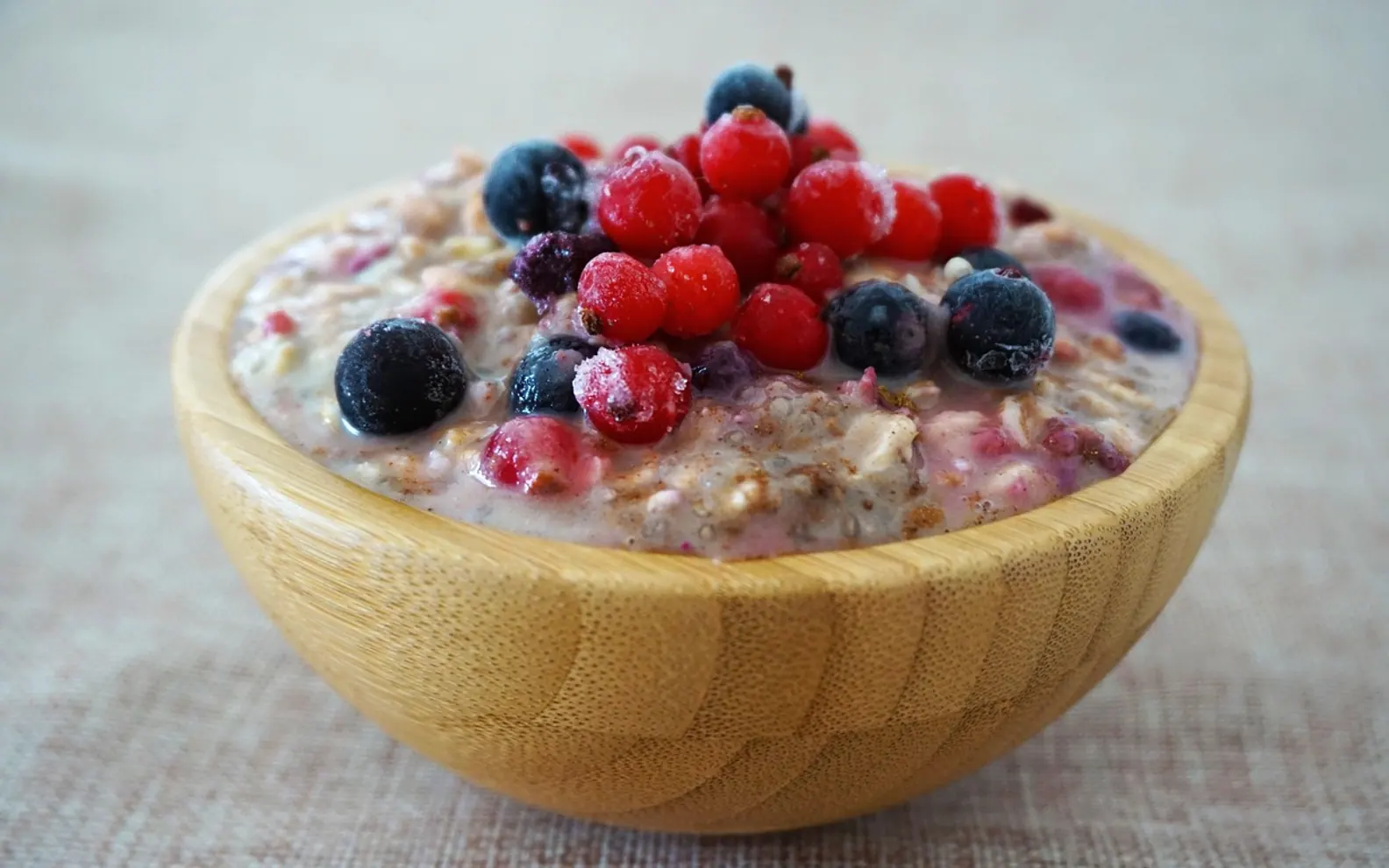
Fibre has a reputation as the worthy part of the plate: good for you, not very exciting, and somehow always lacking. Health services in many countries encourage people to eat more of it, and with good reason, since fibre supports regular digestion and is found in foods that tend to be filling and nourishing. Yet plenty of people who try to eat more of it end up feeling bloated and windy within days and quietly go back to white toast. The good news is that this is usually about pace, not about fibre itself.
What is fibre, in plain words?
Fibre is the part of plant foods that the body does not fully digest. It is found in wholegrains, beans, lentils, peas, vegetables, fruit, nuts and seeds. Some kinds hold water and make stools softer, while others add bulk and help things move along. Many fibre-rich foods also help you feel fuller for longer, which is one reason meals built around them can feel more satisfying.
Why does more fibre sometimes cause bloating?
The bacteria living in your gut feed on some types of fibre, and as they do, they produce gas. If your diet suddenly changes from low-fibre to high-fibre, there is a lot more for them to work on all at once. The result can be wind, rumbling, bloating and a general feeling of fullness. For most people this settles as the gut gets used to the change, which is why going slowly makes such a difference.
How can I add fibre gently?
- Change one meal at a time. Start with breakfast for a week or two before moving on to lunch.
- Make small swaps. Try half white and half brown rice or pasta before switching completely.
- Drink regularly through the day. Fibre works best with enough fluid; without it, some people find they become more constipated, not less.
- Spread it out. A little fibre at each meal is easier on the stomach than one very large bowl of beans.
- Keep moving. Gentle daily activity, even a short walk after meals, helps digestion along.
What are some easy swaps?
| Meal | Instead of | Try |
|---|---|---|
| Breakfast | Sugary cereal | Porridge oats or a wholegrain cereal topped with fruit |
| Lunch | White bread sandwich | Wholemeal or seeded bread with a side of salad |
| Dinner | Plain pasta with sauce | Wholewheat pasta with extra vegetables or a handful of lentils in the sauce |
| Snacks | Biscuits or crisps | An apple, a pear, a handful of unsalted nuts or some carrot sticks |
Keeping the skins on potatoes, adding a tin of beans to a stew and stirring frozen peas or spinach into sauces are other easy wins. If you are wondering whether frozen options count, our answer on whether frozen vegetables are as healthy as fresh might reassure you.
Do I need a fibre supplement?
Most people can get plenty of fibre from food, which also brings other nutrients along with it. Fibre supplements exist, but they are not right for everyone and can interact with how some medicines are absorbed. If you are thinking about one, ask a pharmacist or GP first, particularly if you take regular medication.
Is there anyone who should be more careful?
Yes. People with certain gut conditions, such as irritable bowel syndrome or inflammatory bowel disease, may find that some high-fibre foods make symptoms worse, and they may have been given specific advice about what to eat. The same applies if you have had bowel surgery or have been told to follow a particular diet. In those cases, follow the guidance you have been given and talk to your GP or a registered dietitian before making big changes.
When should I see a GP about my digestion?
Some changes are worth checking rather than adjusting your diet around. Book an appointment if you notice:
- blood in your stools or very dark, tarry stools
- a lasting change in your bowel habits that has no obvious reason
- weight loss you cannot explain
- ongoing tummy pain or bloating that does not go away
- difficulty swallowing, or feeling full very quickly
These symptoms often have simple explanations, but they deserve a proper look. Severe tummy pain, or pain with a high temperature or vomiting, needs urgent help.
Slow and steady wins
Adding fibre is one of those changes where patience really pays. A few small swaps, plenty to drink and a gentle pace give your gut time to adapt, and after a few weeks the new way of eating usually feels completely normal. Start with breakfast tomorrow and see how it goes.
Across the sections


Spotted a mistake?
A short note is enough.
Neighbouring questions
- No. 26Is It Better to Drink Cold or Warm Water?4 min
- No. 22Do Beans Have Protein, and Are They Enough on Their Own?4 min
- No. 18Is Pasta Healthy, or Just Comforting?4 min
Other themes to explore