The questionNo. 27
Korean Dining Etiquette: How to Eat, Share and Pay at the Table
- Theme
- Kitchen & Plate
- Written
- Reading time
- 5 min
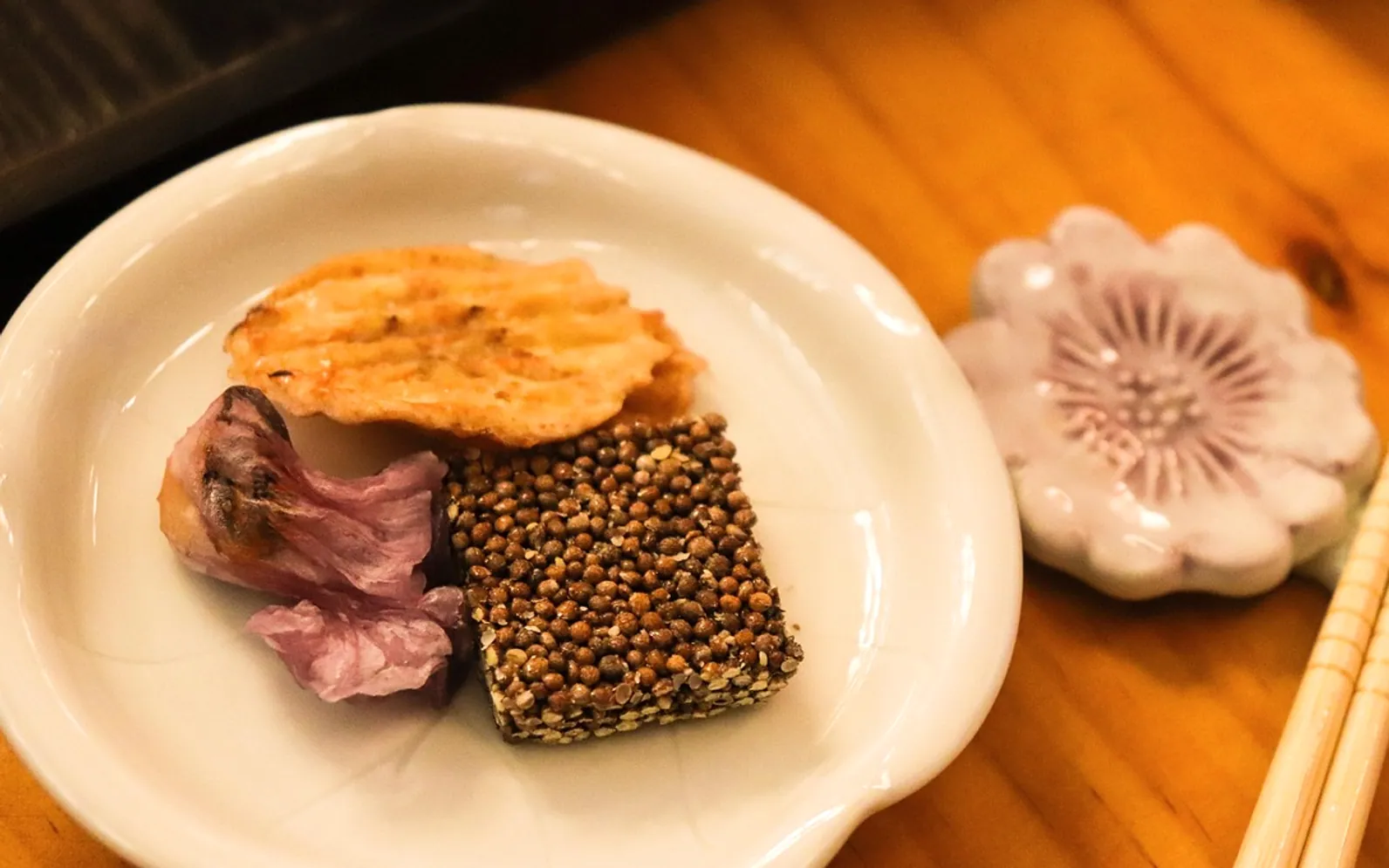
Korean dining etiquette comes down to a handful of habits: dishes in the middle are shared, the eldest or most senior person starts first, the spoon handles rice and soup while chopsticks take care of side dishes, and the bill is usually settled as one payment rather than item by item. Get those right and most Korean hosts will happily overlook any small slip. The details below explain the reasoning, so the customs make sense rather than feeling like a list of rules.
A table built for sharing
The most noticeable difference from many Western meals is layout. Instead of one plated course per person, a Korean table usually has individual bowls of rice and sometimes soup, surrounded by shared dishes: a main such as a stew, grilled meat or fish, and a spread of small side dishes called banchan.
Banchan can include kimchi, seasoned vegetables, braised tofu, small portions of fish or egg, and pickles. Everyone helps themselves from the same plates. A few points keep this pleasant for the whole table:
- Take a modest amount at a time and come back for more, rather than piling your rice bowl high.
- Pick from the side of the dish nearest you instead of rummaging for the best piece.
- Avoid putting food back once you have lifted it.
- In many restaurants, banchan are refilled on request, so finishing a plate is not a problem.
From a kitchen point of view, this style of eating is a nice way to get variety onto the plate, since a single meal often includes several different vegetables. If more greens and pulses at dinner leave your stomach unsettled, our piece on adding fibre gradually has some gentle pointers.
Spoon and chopsticks: who does what
Korean place settings usually pair a long-handled spoon with metal chopsticks. Each has its own job.
| Utensil | Usual use | Things to avoid |
|---|---|---|
| Spoon | Rice, soup, stew broth | Leaving it sticking out of the rice bowl |
| Chopsticks | Banchan, meat, noodles, pieces from shared dishes | Standing them upright in rice; pointing them at people |
| Both | Rest them on the table or a rest between bites | Holding spoon and chopsticks in one hand at once |
Chopsticks planted vertically in a bowl of rice resemble an offering made at memorial rites, which is why it feels uncomfortable at an everyday meal. Laying them flat is the easy fix.
Waiting for elders
Age and seniority shape a lot of Korean social life, and the table is no exception. As a rule, nobody starts eating until the eldest or most senior person has lifted their spoon. In the same spirit, younger diners often try not to leave the table well before older guests have finished.
Small gestures go a long way here. Passing dishes toward older diners, setting out spoons and chopsticks for others, or topping up water glasses are all seen as considerate. When a senior person pours something for you, holding your glass with two hands, or with one hand supporting the other wrist, is a polite way to receive it.
What about drinks with the meal?
Some dinners include a drink or two, and the pouring customs above apply. There is no obligation to keep up with anyone: a soft drink or water is perfectly acceptable, and a half-full glass simply signals you are fine for now. If you do drink, stay within what feels comfortable and arrange a ride or public transport for the way home.
Rice and soup habits
Rice and soup are the anchor of many Korean meals, and a few habits are worth knowing:
- Leave the rice bowl on the table. Unlike some neighbouring cuisines, lifting the bowl to your mouth is generally not done.
- Use the spoon for rice. Chopsticks can work, but the spoon is more common and less awkward.
- Soup goes on the spoon, not to the lips. Sipping straight from the bowl is usually avoided at a sit-down meal.
- Mixing is fine. Spooning a little stew over rice or stirring rice into soup is normal home-style eating.
On the health side, broth-based dishes can be generously salted, so it is worth balancing them with plenty of plain rice and vegetables if you are watching your salt intake. Anyone advised to limit salt for a medical reason should follow their own doctor's guidance.
Calling staff and paying the bill
Many Korean restaurants have a small button on the table. Pressing it calls a member of staff, and it is the normal way to order more food or ask for the bill. Raising a hand and calling out politely is also fine where there is no button.
Payment is usually handled at the counter by the door rather than at the table. Traditionally one person pays for everyone, often the eldest, the person who invited the group or whoever is celebrating something, and the others may cover the next round elsewhere. Among friends and younger colleagues, splitting is common, and many people simply settle up with each other by bank transfer afterwards. Tipping is not part of everyday restaurant culture.
Is it rude to offer to pay?
Not at all. Offering is polite, and a brief friendly back-and-forth is normal. If your host insists, accept graciously and offer to treat them another time.
Where the evening goes next
Dinner is often only the first stop. Groups commonly move on to a café for dessert and coffee, a quiet walk, or a noraebang, a private karaoke room rented by the hour where friends take turns at the microphone. Some visitors look up how Gangnam karaoke rooms work before heading out, and a site such as karaokeofgangnam.com describes these group rooms in Korean. The same table manners carry over: let the eldest pick a song early, cheer each other on and keep shared snacks in the middle.
Bringing it into your own kitchen
You do not need a trip to Korea to try this way of eating. Setting out rice bowls with a pot of stew and two or three simple vegetable sides is an easy weeknight meal, and frozen spinach or beans work well for quick banchan. Our guide to cooking with frozen vegetables covers how to keep them tasting fresh.
Above all, Korean table etiquette is about consideration: share fairly, look after the people around you and let the eldest set the pace. Those instincts are welcome at any table.
Across the sections

Spotted a mistake?
A short note is enough.
Neighbouring questions
- No. 26Is It Better to Drink Cold or Warm Water?4 min
- No. 22Do Beans Have Protein, and Are They Enough on Their Own?4 min
- No. 18Is Pasta Healthy, or Just Comforting?4 min
Other themes to explore