The questionNo. 17
Does Walking Build Muscle, or Is It Just Cardio?
- Theme
- Moving More
- Written
- Reading time
- 4 min
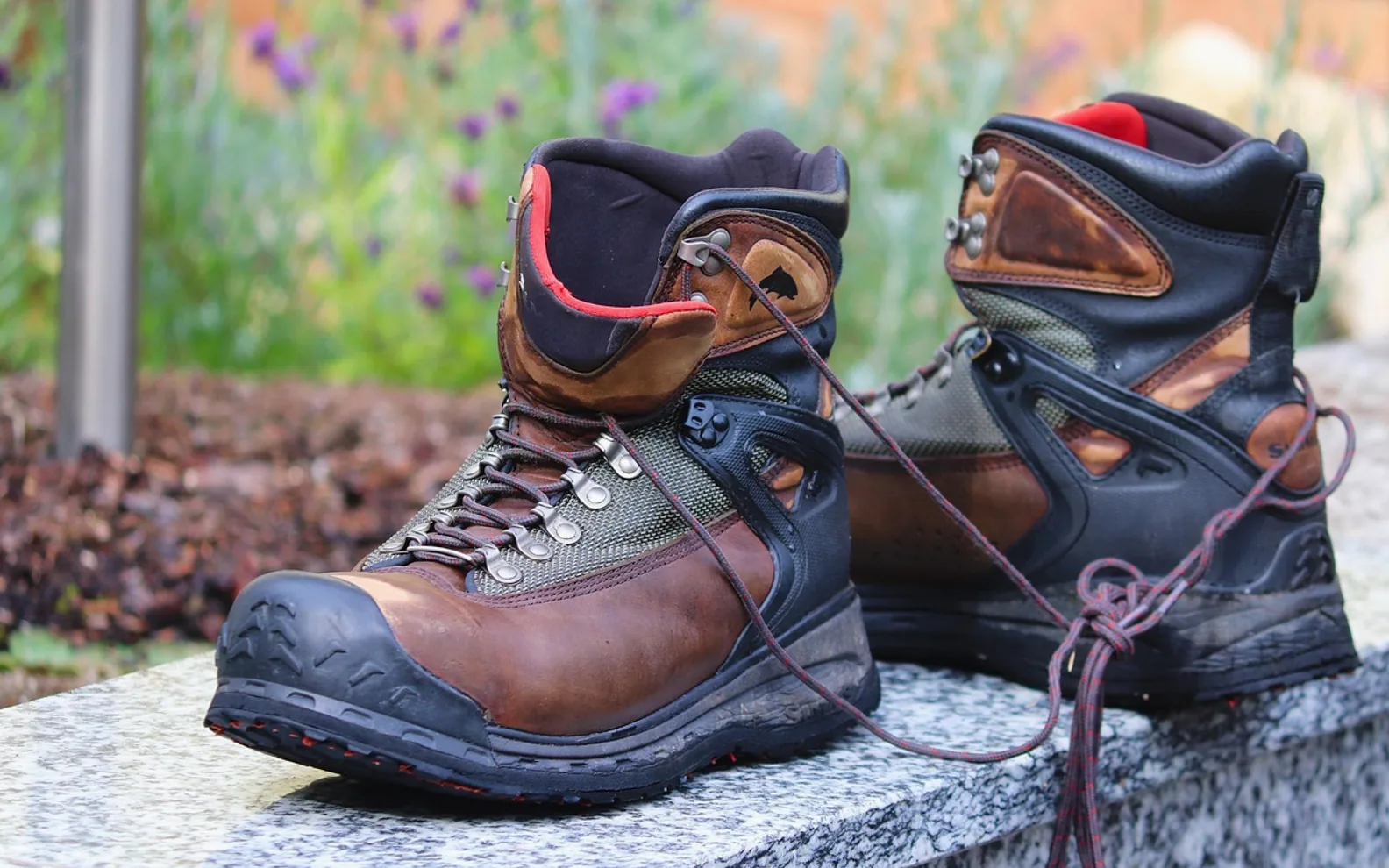
Walking does work your muscles, mainly in the legs, hips and trunk, and for someone who has been fairly inactive it can make those muscles noticeably stronger and more enduring. Once your body is used to a regular route, though, the gains level off, because a familiar walk stops being much of a challenge. So the honest answer is: yes, a little, especially at first, and it is definitely cardio. For steady strength over the years, walking works best alongside a couple of short sessions of muscle-strengthening activity each week.
Which muscles does a walk use?
Every step involves a chain of muscles working together:
- Calves, which push you off the ground with each stride.
- Thighs, front and back, which straighten and bend the knee and swing the leg through.
- Glutes, the large muscles of the buttocks, which drive the hip and work harder on hills and stairs.
- Hip muscles on the inner and outer thigh, which keep the pelvis level as you shift from one foot to the other.
- Trunk muscles, which hold you upright and steady, particularly on uneven ground.
- Shin muscles, which lift the toes so the foot clears the ground.
Swinging the arms adds a little upper-body work, but walking on its own does not ask much of the chest, back or shoulders.
Is walking considered cardio?
Yes. Cardio, or aerobic exercise, is any activity that raises your heart rate and breathing for a sustained period, and a brisk walk fits that description well. A handy check is the talk test: at a moderate pace you can still hold a conversation, but you would struggle to sing. Public health guidance in both the UK and the US suggests adults aim for around 150 minutes of moderate activity across the week, and brisk walking is one of the easiest ways to build up to that. The same guidance also recommends activities that strengthen the major muscles on at least two days a week, which is where walking alone falls short.
Why walking has limits for building muscle
Muscles adapt to the load they are given. When an activity is new, it is enough of a challenge to prompt them to get stronger. Once they have adjusted, the same effort no longer pushes them, and progress stalls. Because walking only asks your legs to carry your own body weight in a familiar pattern, most people reach that plateau fairly quickly. The fix is not to abandon walking, but to change the challenge now and then or to add strength work alongside it.
Ways to make a walk work harder
| Change | What it adds |
|---|---|
| Hills or inclines | Extra work for the glutes, thighs and calves, and a higher heart rate |
| Stairs or steps | Short bursts of effort that load the legs much more than flat ground |
| Brisk intervals | A few minutes faster, a few minutes easier, repeated through the walk |
| Rough or soft ground | More work for the ankles, hips and trunk muscles that keep you balanced |
| Walking poles | Brings the arms and shoulders into the movement |
| A lightly loaded rucksack | A little more weight for the legs to carry, built up gradually |
Should I wear ankle weights?
Ankle weights change the way the leg swings and can put extra strain on the knees and hips over time. If you want to carry more weight, a well-fitted rucksack with a modest load sits closer to your centre and is usually a gentler choice. Start light, and stop if you notice joint pain.
Simple strength moves to pair with walking
A short routine two or three times a week, at home and without equipment, fills the gap nicely:
- Sit-to-stand from a sturdy chair, slowly and without using your hands if you can.
- Wall press-ups, leaning into a wall with your hands at shoulder height.
- Step-ups on the bottom stair, holding the banister for balance.
- Heel raises, rising onto your toes and lowering with control.
- Glute bridges, lying on your back with knees bent and lifting your hips.
Begin with a handful of repetitions, finish feeling as though you could have done a few more, and add a little over the weeks. A bit of stiffness a day or two after new moves is normal; our answer on working out while you are still sore explains how to tell ordinary aches from something that needs rest.
Common mistakes
- Doing too much too soon. Doubling your distance overnight is a quick route to sore shins and blisters.
- Ignoring footwear. Supportive, comfortable shoes make longer and hillier walks far more pleasant.
- Always the same flat loop. Comforting, but it stops challenging your body after a while.
- Walking through illness. A gentle stroll may be fine with a mild cold, but our answer on exercising with a cold covers when to rest instead.
If you have a heart or lung condition, joint problems or a long-term illness, ask a GP or physiotherapist before stepping up intensity. Stop and seek urgent help for chest pain, severe breathlessness or feeling faint while walking.
The takeaway
Walking is real exercise. It strengthens the heart and lungs, keeps the legs working and is easy to fit into ordinary days. It builds some muscle, mainly at the start, and more if you add hills, stairs and pace changes. Pair it with a few simple strength moves and you cover both halves of the weekly picture. If you fancy some variety, our piece on whether riding a bike is good exercise looks at another low-impact option.
Across the sections




Spotted a mistake?
A short note is enough.
Neighbouring questions
- No. 25Is Riding a Bike Good Exercise?4 min
- No. 21When Is the Best Time of Day to Exercise?4 min
- No. 10Can You Exercise With a Cold, or Is Rest Better?3 min
Other themes to explore