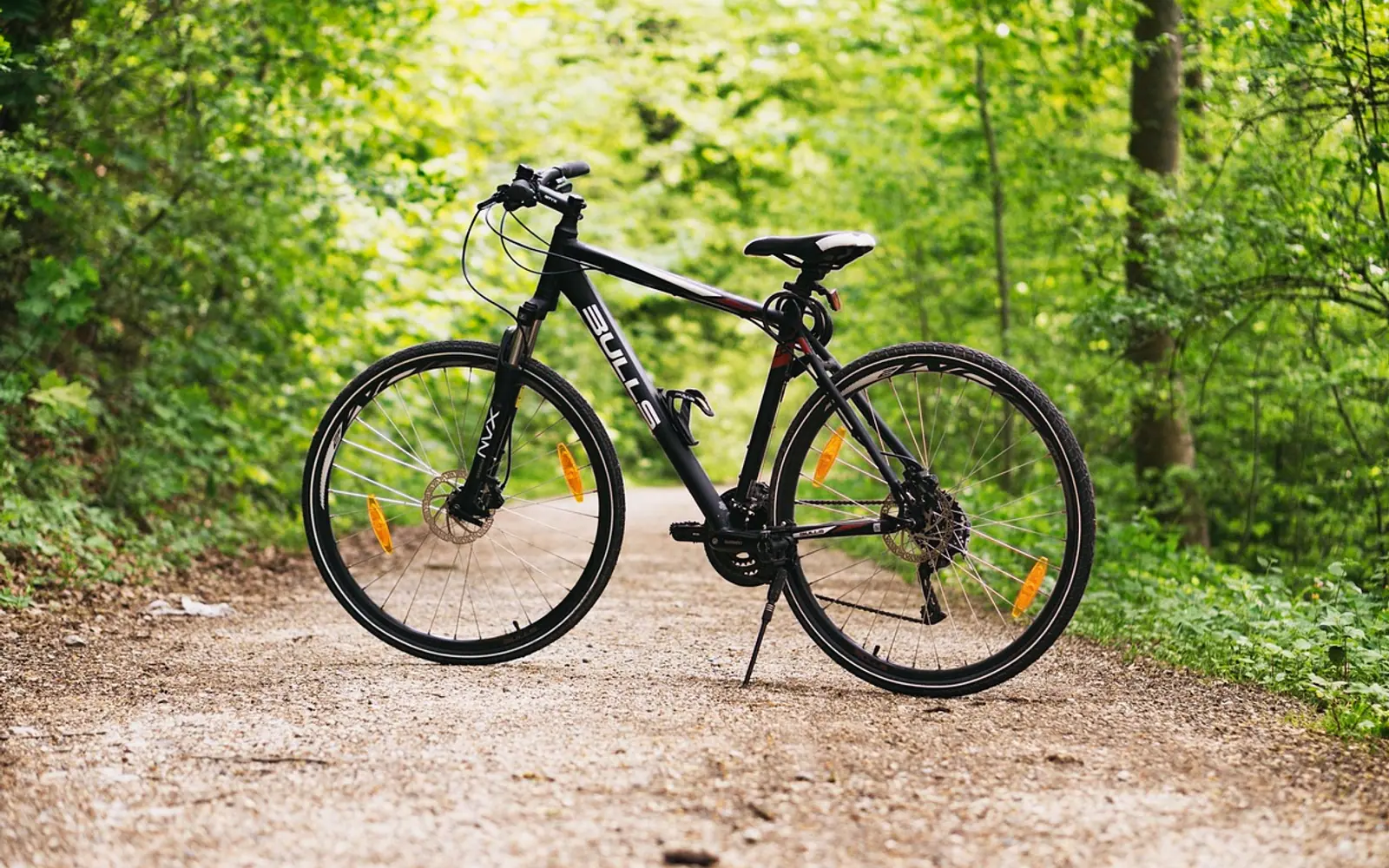
Riding a bike is good exercise for most people. It raises the heart rate and breathing, works the big muscles of the legs and hips, and does it without the jolting impact of running, which makes it kind to many people's knees and ankles. You can pedal gently along a canal path or push hard up a hill, so the effort is easy to match to your fitness. Its main gaps are that it does little for the upper body and, because the bike carries your weight, it does less for bone strength than activities on your feet. A mix of cycling, walking and some strength work covers those gaps.
What cycling does well
- Heart and lungs. Steady riding is aerobic exercise and counts towards the weekly activity most health guidance recommends for adults.
- Leg strength and endurance. Thighs, glutes and calves do most of the work, and hills or higher gears ask more of them.
- Low impact. Smooth, circular pedalling places less stress on joints than running or jumping.
- Flexible intensity. Gears, routes and pace can make the same bike easy or hard.
- Built into the day. Riding to work, the shops or a friend's house adds activity without needing extra time.
- Mood and fresh air. Many people simply find time outdoors on a bike relaxing and enjoyable.
Outdoor, indoor or electric?
| Type | Strengths | Things to consider |
|---|---|---|
| Outdoor bike | Fresh air, changing scenery, can double as transport; balance and trunk muscles get some work | Weather, traffic, lights and a safe place to store it |
| Indoor or stationary bike | No traffic or rain, easy to control the effort, useful early or late in the day | Can feel repetitive; set up the seat and handlebars properly |
| Electric bike | Assistance makes hills and longer trips manageable; a good way back into riding | You still pedal, but the effort depends on how much assistance you use |
E-bikes are sometimes dismissed as cheating, but riders still pedal and still raise their heart rate. Because the help makes riding more inviting, some people end up riding more often and further than they would on a regular bike.
Is cycling better than walking?
Neither is better for everyone. Cycling covers more distance for the same time and is gentler on the joints, while walking is weight-bearing, which is helpful for bones, and needs no equipment at all. Our answer on whether walking builds muscle explains how to get more out of a walk. The best choice is the one you enjoy enough to keep doing, and many people happily do both.
Getting started comfortably
- Check the saddle height. At the bottom of the pedal stroke, your knee should be only slightly bent. A saddle that is too low strains the knees; too high and your hips rock.
- Use the gears. An easier gear and a quicker pedalling rhythm is kinder to knees than grinding slowly in a hard one.
- Start short. Ten to twenty minutes of easy riding is a sensible first goal, building up over the weeks.
- Pick quiet routes. Parks, cycle paths and back streets make the early rides far more relaxing.
- Be seen and protected. A well-fitted helmet, lights front and back and bright clothing in low light all help.
- Take a drink. A bottle of water is worth carrying on longer or warmer rides; our answer on cold versus warm water covers whether temperature matters.
Common niggles and what usually helps
A sore backside
Very common in the first few rides and usually eases as you ride more regularly. Padded shorts, a saddle that suits your shape and standing on the pedals briefly now and then can all help.
Knee pain
Often linked to saddle height, saddle position or pushing big gears. Small adjustments can make a large difference. If pain lingers or swelling appears, a physiotherapist can look at both you and the bike.
Aching neck, back or hands
Usually a sign that you are stretched too far or leaning too much weight on the handlebars. Raising the bars or bringing them closer, and relaxing your grip, often eases it.
Stiff legs the next day
Ordinary after a longer ride than usual. Our answer on working out while you are still sore explains how to tell normal stiffness from pain that needs rest.
Staying safe
If you have a heart or lung condition, problems with balance or dizziness, or are returning to exercise after illness or surgery, ask a GP or physiotherapist which kind of riding suits you; a stationary bike can be a useful starting point. Stop and get urgent help for chest pain, severe breathlessness, palpitations or feeling faint while riding. Learn the local road rules and consider a cycling skills course if traffic makes you nervous.
The answer in brief
Cycling is a joint-friendly way to strengthen the heart and legs, easy to adjust from gentle to tough and easy to fold into daily travel. Add some walking and a couple of short strength sessions each week for the parts of the body a bike leaves out, set the saddle properly, and start with rides short enough to enjoy.
Across the sections


Spotted a mistake?
A short note is enough.
Neighbouring questions
- No. 21When Is the Best Time of Day to Exercise?4 min
- No. 17Does Walking Build Muscle, or Is It Just Cardio?4 min
- No. 10Can You Exercise With a Cold, or Is Rest Better?3 min
Other themes to explore