
Baby teeth usually arrive in a fairly predictable order: the two bottom front teeth first, then the two top front teeth, followed by the teeth on either side of them, the first back molars, the pointed canines and finally the second molars. There are 20 baby teeth in total, and most children have the full set by somewhere around two and a half to three years old. The timing varies a great deal from child to child, so a baby who is early or late compared with a cousin or a friend's child is usually perfectly normal.
The usual order, tooth by tooth
The age ranges below are rough guides. Some babies are born with a tooth, a few have their first one by four months, and others show nothing until after their first birthday.
| Order | Teeth | Rough age range |
|---|---|---|
| 1 | Lower central incisors (bottom front two) | About 6 to 10 months |
| 2 | Upper central incisors (top front two) | About 8 to 12 months |
| 3 | Upper lateral incisors (either side of the top front teeth) | About 9 to 13 months |
| 4 | Lower lateral incisors (either side of the bottom front teeth) | About 10 to 16 months |
| 5 | First molars (back teeth, top and bottom) | About 13 to 19 months |
| 6 | Canines (pointed teeth beside the incisors) | About 16 to 23 months |
| 7 | Second molars (furthest back) | About 23 to 33 months |
Notice that the canines usually arrive after the first molars, which leaves a gap for a while. That is normal and closes once the canines come through. Teeth also often appear in pairs, one on each side, but they do not always keep perfect step.
Why does timing vary so much?
Family patterns play a big part: if parents got their teeth early or late, their children often do too. Babies born early may get teeth a little later than those born at term. Within the normal range, an early or late start says nothing about how healthy the teeth will be. If no teeth have appeared by around 18 months, it is reasonable to mention it to a health visitor, GP or dentist, who can check that everything is on track.
What does teething look like?
Some babies cut teeth with hardly a fuss, while others seem uncomfortable for days. Common signs include:
- Drooling more than usual and a damp, sometimes sore chin.
- Chewing on fists, toys or anything within reach.
- A red cheek or a flushed patch on one side.
- Red, swollen gums where a tooth is about to come through.
- Being more unsettled or wakeful than usual.
A high temperature, diarrhoea, a rash or a baby who seems properly unwell should not be put down to teething. Contact a GP, health visitor or out-of-hours service if you are worried, and trust your instincts.
Gentle ways to ease sore gums
- A clean teething ring that has been chilled in the fridge, not the freezer.
- Rubbing the gum gently with a clean finger.
- For babies who have started solid foods, cool, soft foods they can chew safely while supervised.
- Extra cuddles and patience, which count for more than they might seem.
Avoid amber or bead teething necklaces and bracelets, which carry a risk of choking and strangulation. Some teething gels are not suitable for young babies, so ask a pharmacist before using one, and ask them too about pain relief suitable for your baby's age if discomfort is affecting sleep and feeding.
When should you start brushing?
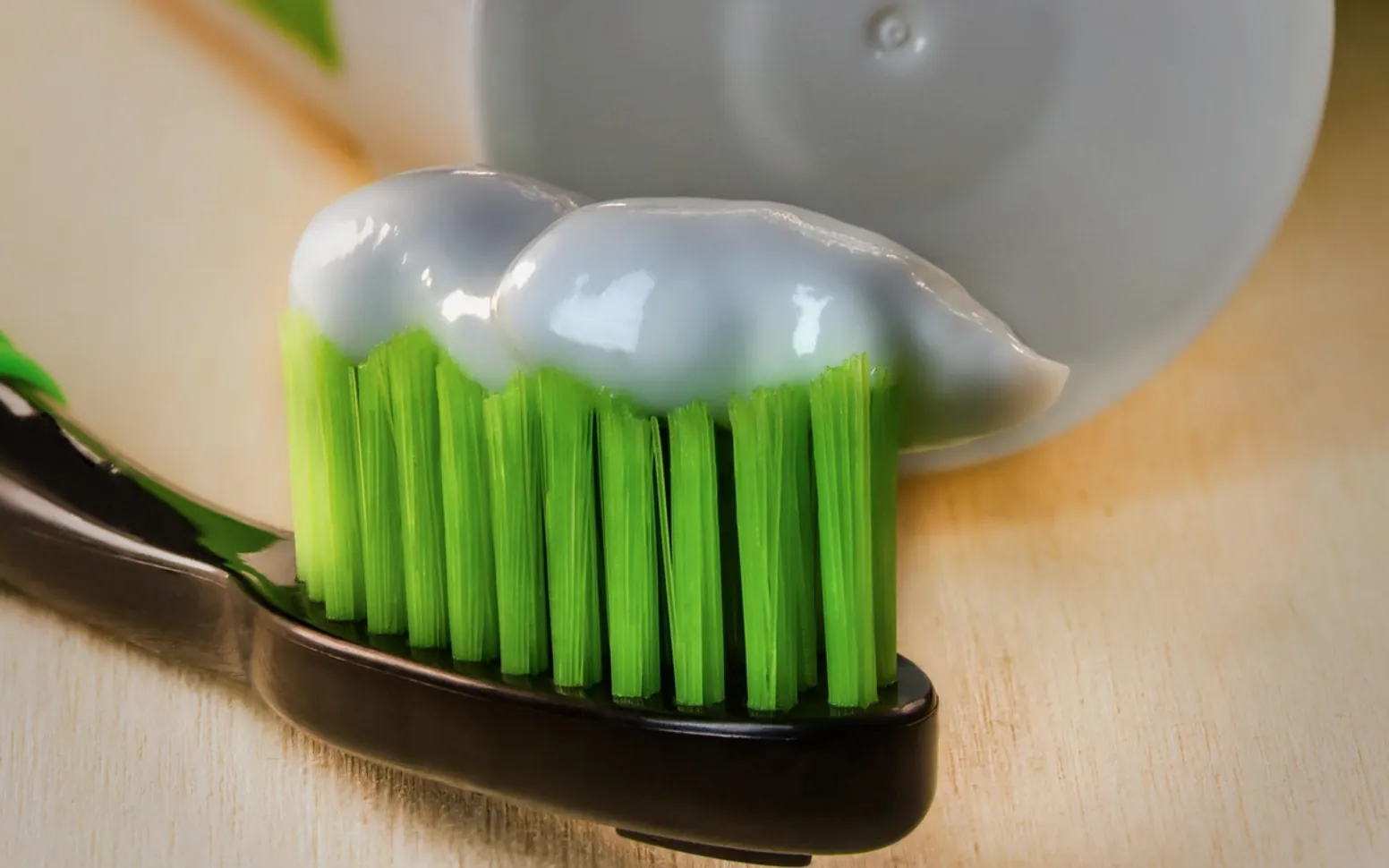
As soon as the first tooth appears. Use a soft baby toothbrush and a smear of fluoride toothpaste, about the size of a grain of rice, for children under three, then a pea-sized amount from around three to six. Brush twice a day, including last thing at night, and encourage your child to spit out rather than rinse, so some fluoride stays on the teeth. Our answer on brushing before or after breakfast covers morning timing for older children and adults.
A few other habits protect new teeth:
- Avoid putting a baby to bed with a bottle of milk or juice.
- Offer water or milk between meals rather than sugary drinks.
- Move from a bottle towards an open or free-flowing cup as your child grows.
When is the first dental visit?
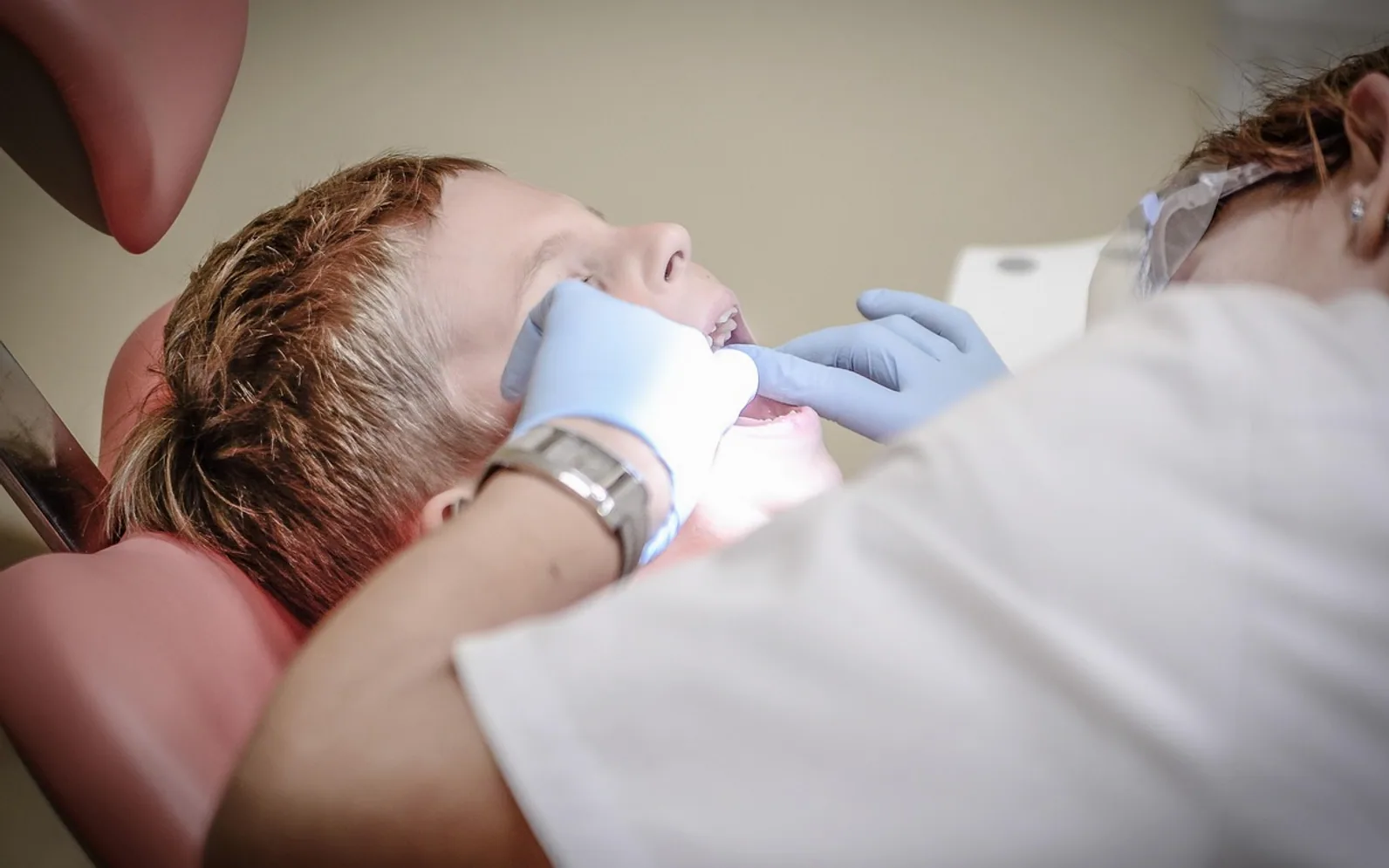
Many dental organisations suggest a first visit around the time the first teeth appear, and certainly by the first birthday. It is mostly a chance for the child to get used to the surroundings and for parents to ask questions. Taking little ones along to your own appointments helps too, and our answer on routine dental check-ups explains why regular visits matter at every age.
What comes after baby teeth?
Adult teeth usually start to come through from around six years old, often beginning with the first permanent molars behind the baby teeth and the lower front teeth. The very last to arrive, if they arrive at all, are the wisdom teeth, which our answer on why wisdom teeth exist covers.
When to check with a professional
- No teeth by about 18 months.
- A tooth that turns grey or dark after a bump or fall.
- White, brown or chalky patches on new teeth.
- Swelling on the gum or face, or a child in obvious pain.
The quick version
Bottom front, top front, the teeth beside them, first molars, canines, then second molars: that is the usual order for the 20 baby teeth. Exact timing varies widely and is rarely a concern. Start brushing with the first tooth, keep sugary drinks away from bedtime and book that first dental visit early.
Across the sections


Spotted a mistake?
A short note is enough.
Neighbouring questions
- No. 20Why Do Wisdom Teeth Exist, and Does Everyone Get Them?4 min
- No. 16Why Are My Teeth Yellow, and What Can Make a Difference?4 min
- No. 14Is Mouthwash Necessary, or Just a Nice Extra?3 min
Other themes to explore