
Drooling during sleep is very common and, on its own, usually harmless. Your mouth keeps making saliva through the night, but you swallow far less often than when you are awake. If you lie on your side or front and your mouth falls slightly open, gravity does the rest. A blocked nose, a very deep sleep, new dental work and some medicines can all make it more likely. It only deserves a closer look when it is new and comes with other changes.
What is happening while you sleep?
Saliva production slows at night but does not stop. While you are awake, you swallow it automatically every so often without noticing. During sleep, the muscles around the mouth and throat relax and swallowing becomes less frequent. If your lips part, saliva can pool at the corner of the mouth and escape onto the pillow. Side and front sleepers notice it far more than people who sleep on their backs, simply because of the angle.
Common reasons for a wet pillow
| Possible reason | Clues | Things to try |
|---|---|---|
| Sleeping position | Mostly on your side or front; damp patch on one side | An extra pillow or gradually getting used to sleeping on your back |
| Blocked nose | A cold, hay fever or a stuffy room; waking with a dry throat | Saline sprays or rinses and advice from a pharmacist on suitable remedies |
| Very deep sleep | After exhaustion, a late night or alcohol | More regular sleep times; less alcohol in the evening |
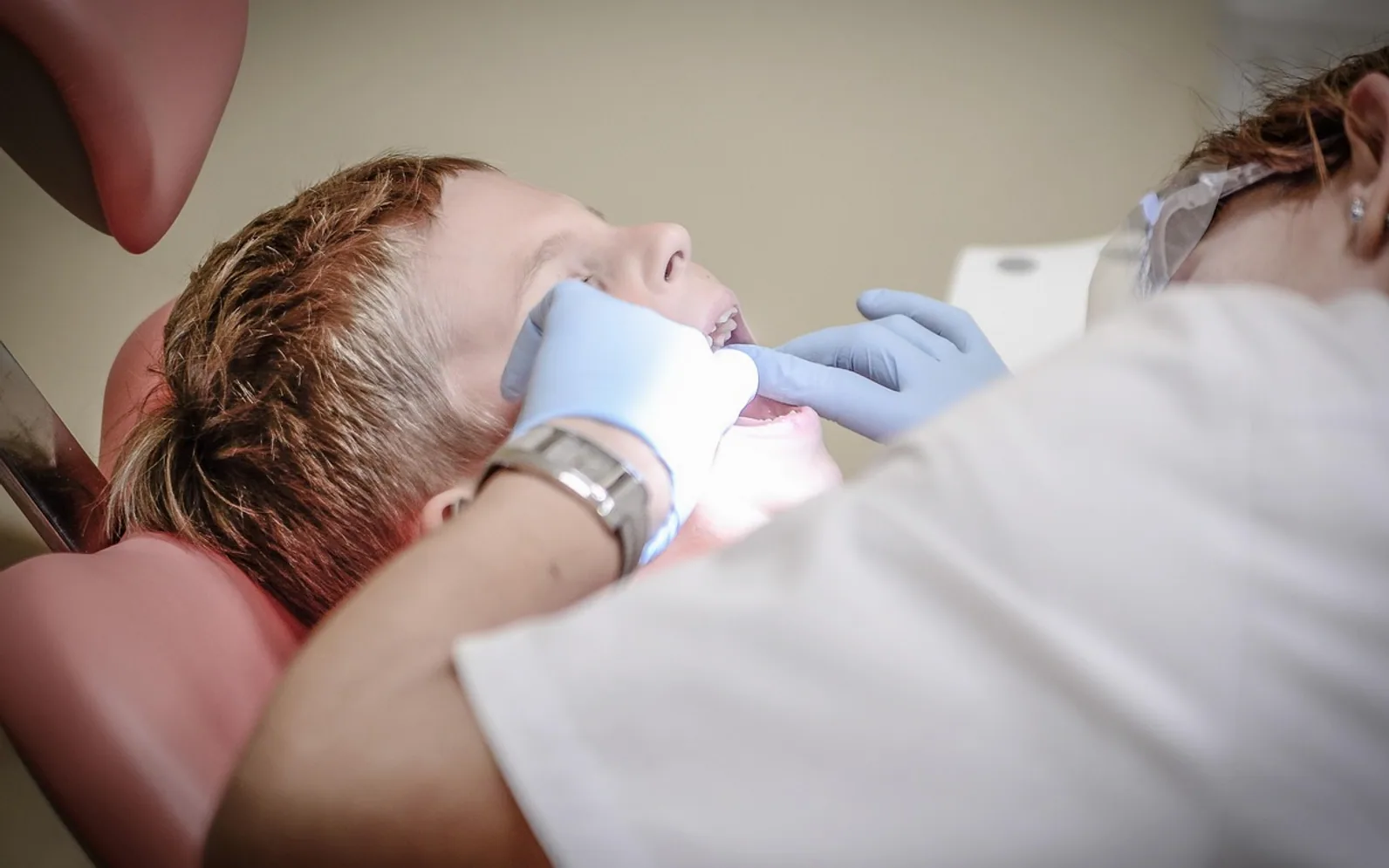
| New dental appliances | Braces, aligners, a night guard or dentures | Often settles as you adjust; ask the dentist if it continues |
| Medicines | Began after starting something new | Ask a pharmacist or GP; do not stop a medicine on your own |
| Acid reflux | Heartburn, a sour taste or coughing at night | Eating earlier, smaller evening meals; see a GP if it persists |
Why does a blocked nose make it worse?
When the nose is congested, you breathe through your mouth, and an open mouth lets saliva escape more easily. That is why drooling often shows up during a cold or the hay fever season. It is one more reason to rest properly when you are ill, as our answer on exercising with a cold discusses. Children with enlarged tonsils or adenoids may breathe through the mouth at night too, and a GP can check this if it happens a lot.
Why do I sleep with my mouth open?
Besides a blocked nose, the jaw simply relaxes during deep sleep, and some people's mouths fall open more readily than others. Sleeping flat on the back can make the jaw drop, while side sleeping lets saliva run out. Dry air from heating can make the nose feel stuffier, so a well-aired room at a comfortable temperature, as discussed in our answer on the best bedroom temperature for sleep, may help a little.
Easy changes worth trying
- Experiment with position. Back sleeping reduces drooling for many people. A pillow wedged behind you can stop you rolling over.
- Raise your head slightly. An extra pillow can help saliva drain back rather than out.
- Clear your nose before bed. A pharmacist can suggest suitable options for colds or allergies, especially if you take other medicines.
- Keep the bedroom air fresh. Open a window for a while before bed and avoid overheating the room.
- Change pillowcases often. Damp fabric can irritate the skin around the mouth and attract dust.
- Wash your face in the morning. A quick rinse helps if you notice redness or dryness at the corners of the mouth.
Common questions
Is drooling a sign of good sleep?
It is a popular idea, and drooling can certainly happen in deep sleep, but it is not a reliable way to judge sleep quality. How rested you feel during the day is a far better guide.
Is drooling linked to snoring or sleep apnoea?
Both involve mouth breathing and relaxed throat muscles, so they can appear together. Loud snoring, pauses in breathing that a partner notices, gasping awake or heavy daytime sleepiness are worth discussing with a GP, as these can point to obstructive sleep apnoea, which is treatable.
Can drooling affect my teeth?
Drooling itself does not harm teeth. Mouth breathing, though, can leave the mouth dry by morning, and saliva plays a part in protecting teeth. Good brushing and regular dental check-ups keep an eye on things.
When to get advice
See a GP or dentist if drooling is new and heavy without an obvious cause, if it comes with difficulty swallowing, choking on drinks, changes in your voice or a persistent sore mouth, or if new dental work still feels wrong after a few weeks. Call emergency services straight away if drooling appears suddenly alongside a drooping face, weakness in an arm or leg, or slurred speech, as these can be signs of a stroke.
The gist
A wet pillow is mostly about gravity, position and a blocked nose. Try sleeping on your back, clear your nose before bed and keep the room fresh. If it is sudden, heavy or comes with other changes, let a professional take a look.
Across the sections


Spotted a mistake?
A short note is enough.
Neighbouring questions
- No. 19Why Do I Wake Up Sweating, and When Should I Worry?4 min
- No. 15Is It Better to Sleep Naked, or in Pyjamas?4 min
- No. 08Is Reading Before Bed Good for Your Sleep?3 min
Other themes to explore