The questionNo. 15
Is It Better to Sleep Naked, or in Pyjamas?
- Theme
- Sleep Questions
- Written
- Reading time
- 4 min
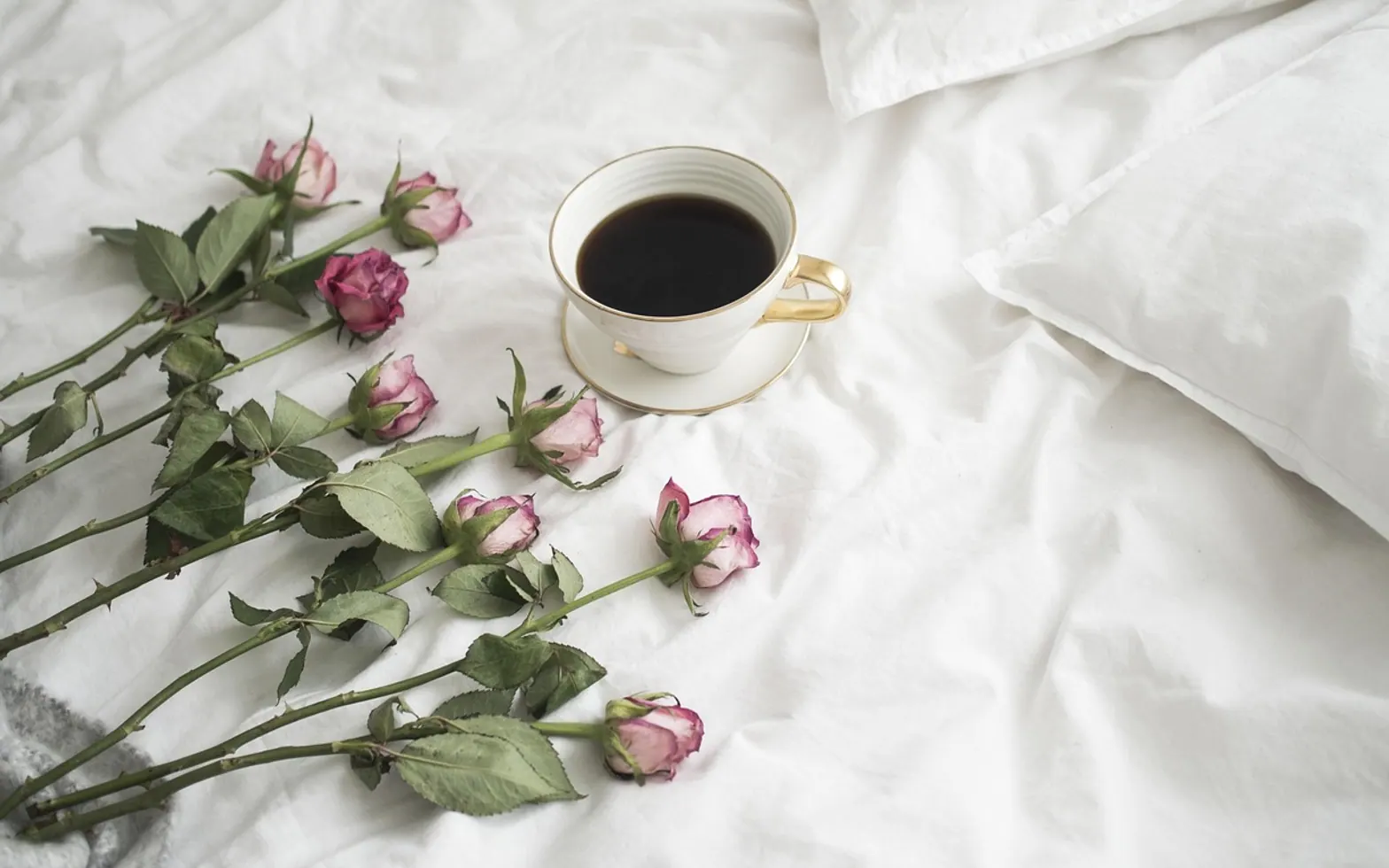
There is no single winner here. What matters most for a settled night is staying comfortably cool and dry from the moment you lie down until the alarm goes off. For warm sleepers, leaving the pyjamas in the drawer can make that easier. For people who feel the cold, or who simply sleep better with a soft layer on, light breathable nightwear does the job just as well. The fabric on your skin is one small piece of a bigger picture that includes the room, the duvet and your own body.
What changes when you take the pyjamas off?
As bedtime approaches, the body's core temperature naturally drifts down, and much of that heat leaves through the skin, especially the hands and feet. Fewer layers make it easier for warmth to escape, which is why sleeping bare can feel pleasant on a muggy summer night. That said, a thin cotton T-shirt makes far less difference than a heavy winter duvet or a radiator left on full. If you regularly wake up hot, the bedding and the thermostat usually deserve attention before the nightwear does, and our answer on the best bedroom temperature for sleep goes through those bigger levers.
Reasons some people prefer sleeping naked
- Staying cooler. With no fabric holding heat against the skin, it can be easier to avoid that sticky, half-awake feeling in the early hours.
- Nothing twisting or digging in. Waistbands, buttons and long legs that ride up are gone, which some restless sleepers find freeing.
- More airflow. Loose air around the body can feel fresher, particularly in warm, humid weather.
- Closeness. Some couples simply find skin-to-skin contact cosy and reassuring.
- Less laundry. One fewer set of clothes to wash each week, although the sheets may need more attention instead.
Is it bad to sleep naked?
It is not harmful for healthy adults, but it has a few practical drawbacks worth weighing up.
- The early-morning chill. Body temperature tends to be at its lowest in the small hours. If a foot escapes the duvet at four in the morning, bare skin feels it quickly, and the shiver can be enough to wake you.
- Sheets work harder. Sweat, skin oils and flakes go straight into the bedding rather than into a layer of clothing, so sheets and pillowcases need washing more often.
- Life happens at night. Smoke alarms, a child calling out, a visitor on the sofa bed or a caring role can all mean getting up in a hurry. Keeping a dressing gown within reach solves most of this.
- Skin that itches. People who scratch in their sleep, or who use a rich cream at night, sometimes prefer a cotton layer that protects the skin and keeps cream off the sheets.
Bare, light or warm: a quick comparison
| Option | Tends to suit | Watch out for |
|---|---|---|
| Nothing at all | Warm sleepers, hot spells, people under a heavy duvet | A chill before dawn and more frequent sheet washing |
| Light cotton or linen nightwear | Most people for most of the year, including anyone who sweats a little | Synthetic fabrics that trap heat and moisture |
| Warmer layers or bed socks | Cold bedrooms and people whose feet never seem to warm up | Overheating once the heating clicks on |
What about socks?
Cold feet can make it surprisingly hard to drift off. Some people find a pair of loose, soft socks helps them settle, and there is little downside to trying. Choose ones without a tight cuff, and take them off if you start to feel too warm later in the night.
Does it matter for intimate comfort?
For many people, breathable is the key word. Loose cotton, linen or nothing at all lets air circulate, while tight synthetic underwear worn overnight can feel damp and warm. If you are prone to irritation or recurring itching, looser and more breathable options often feel kinder. Itching, soreness or unusual discharge that keeps coming back is worth raising with a pharmacist or GP rather than solving by changing what you wear to bed.
How to decide what works for you
- Notice how you wake. Kicked-off covers and damp hair suggest you run hot. Curled up and cold suggests the opposite.
- Adjust the room and bedding first. A lighter duvet, an open window or a cooler thermostat often matters more than the nightwear question.
- Try a week each way. One night is not much of a test. Give each choice a few nights and see how rested you feel.
- Pick natural fibres if you wear anything. Cotton, linen and other breathable fabrics handle a little sweat better than most synthetics.
- Keep bedding fresh. Whatever you choose, regular washing of sheets and pillowcases keeps the bed pleasant.
When the pyjamas are not really the problem
If you wake soaked through even in a cool room with light bedding, the cause probably lies elsewhere. Our answer on why you might wake up sweating covers the common reasons and the signs that deserve a GP appointment. And if it is a racing mind rather than temperature that keeps you awake, a calmer last half hour can help, such as reading a paper book before bed.
Ongoing poor sleep that leaves you exhausted during the day for several weeks is worth discussing with a GP, whatever you wear or do not wear to bed.
In short
Sleeping naked is a perfectly reasonable choice, and so is a favourite pair of soft pyjamas. Aim for a body that stays comfortably cool, bedding that breathes and sheets that get washed often. Once those are in place, the right answer is simply the one that lets you sleep through.
Across the sections

Spotted a mistake?
A short note is enough.
Neighbouring questions
- No. 23Why Do I Drool in My Sleep?4 min
- No. 19Why Do I Wake Up Sweating, and When Should I Worry?4 min
- No. 08Is Reading Before Bed Good for Your Sleep?3 min
Other themes to explore