The questionNo. 06
A Fresh Start: How Reusable Vapes Support Smoking Cessation
- Theme
- Healthy Lifestyle
- Written
- Updated
- Reading time
- 2 min
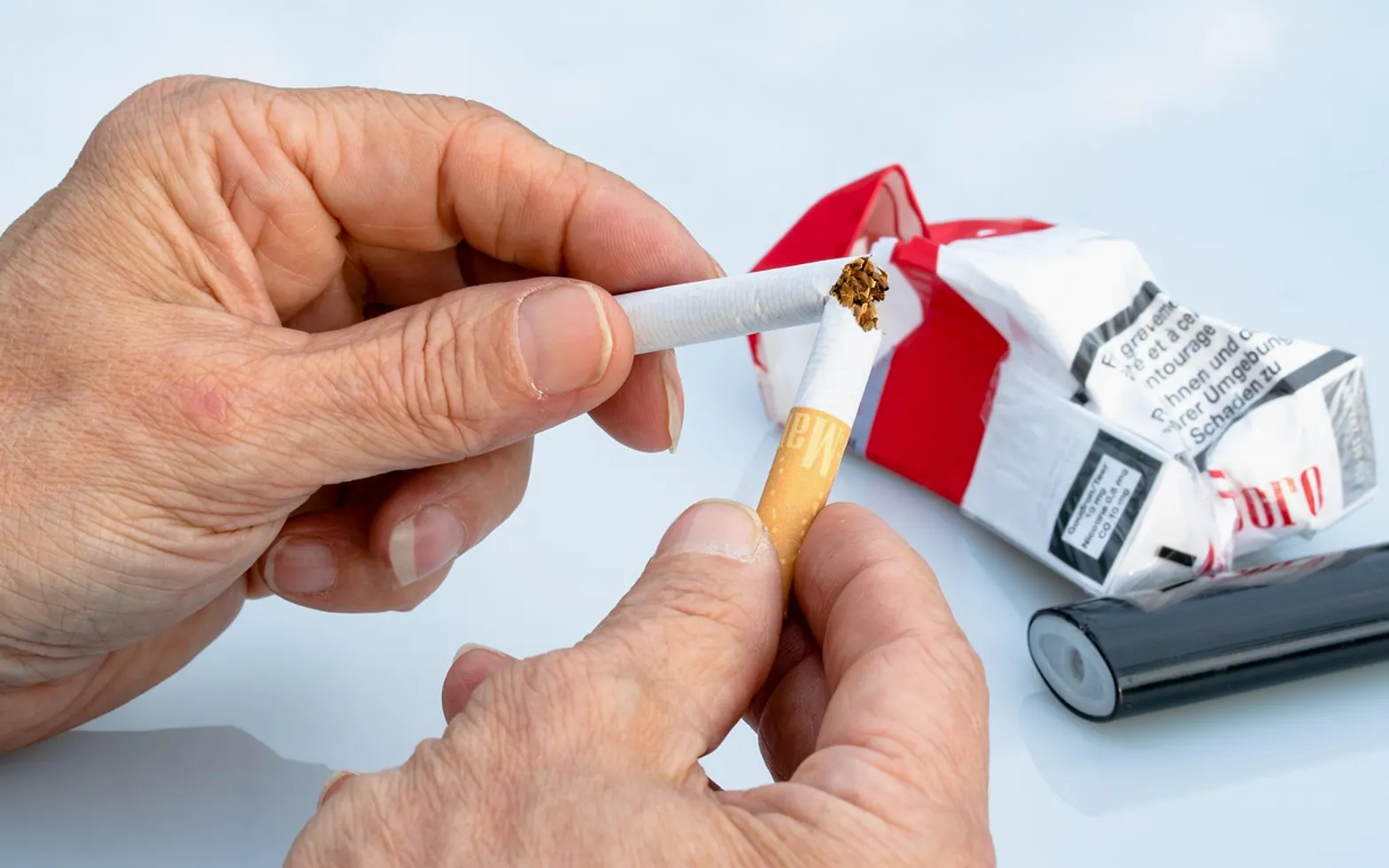
Quitting cigarettes rarely happens on one dramatic morning. For most adults it looks more like a series of small renegotiations with habit: a mug of tea at the kitchen window, a phone call, the pause after dinner. A reusable vape is one tool some smokers use to get through that period, so expectations deserve to be set honestly. It is not harmless, and it is only relevant to people who already smoke. What it can offer is a smoke-free way to manage cravings as daily life slowly reorganises itself.
What makes the switch feel possible?
Cigarettes are tied to rituals as much as to nicotine. Hands want something to hold, and certain moments feel incomplete without a break outside. A reusable device keeps some of that familiar shape, the hand-to-mouth movement and the short pause, while removing burning tobacco, ash and the lingering smell on clothes. For some people, keeping the ritual while changing the substance makes those first weeks less of a cliff edge.
Consistency matters too. When the device in your pocket is always the same, you learn how it behaves and stop improvising with whatever a corner shop happens to stock. That predictability can reduce the number of moments when a pack of cigarettes looks like the easier option.
Why does "reusable" make a difference?
The main advantage is control. With a refillable or pod-based system, the liquid and its strength can be chosen and later changed, which opens the door to stepping down gradually rather than stopping nicotine all at once. How fast to step down is personal; a pharmacist or local stop-smoking adviser can help set a pace that does not invite relapse.
There is also a practical side. Because only pods, coils or liquid are replaced, there is less to throw away, and the running cost is often easier to plan than buying cigarettes every day. Some adults start with simple, ready-to-use products while they find out what suits them, and options like Hayati Pro Max pods come up often when people compare easy, pocket-friendly formats before settling on a longer-term setup.
How can a quit plan be structured?
- Pick a date to stop buying cigarettes, rather than drifting into "both for a while".
- List your trigger moments and pair each with a replacement plan.
- Keep the device charged and stocked so a flat battery never becomes the reason to light up.
- Review every couple of weeks: are cravings easing, and is it time to consider a lower strength?
- Agree an end point with yourself for reducing nicotine, even if it is some months away.
Where can I get support alongside it?
Doing this alone is harder than it needs to be. NHS stop-smoking services, community pharmacies and GPs can offer behavioural support and talk through other options, including licensed nicotine replacement products, sometimes in combination. Tell them you are using a vape; it helps them tailor their advice. During pregnancy, with a long-term heart or chest illness, or alongside prescribed medicines, check with your doctor first before adjusting nicotine in any form.
It is worth remembering the bigger point. The vape is a bridge, not the destination. The goal is a life without cigarettes, and for many people eventually without nicotine at all. Every smoke-free day along the way counts.
Across the sections



Spotted a mistake?
A short note is enough.
Neighbouring questions
- No. 05Routine Checkups: The Foundation of Sustainable Dental Health3 min
- No. 04A Beginner’s Guide to Choosing Your First Vape in the UK3 min
- No. 03The Long-Term Psychological Impacts of Male Enhancement3 min
Other themes to explore