The questionNo. 02
Digital Signage in Waiting Rooms: Reducing Anxiety and Improving Satisfaction
- Theme
- Healthy Lifestyle
- Written
- Updated
- Reading time
- 2 min
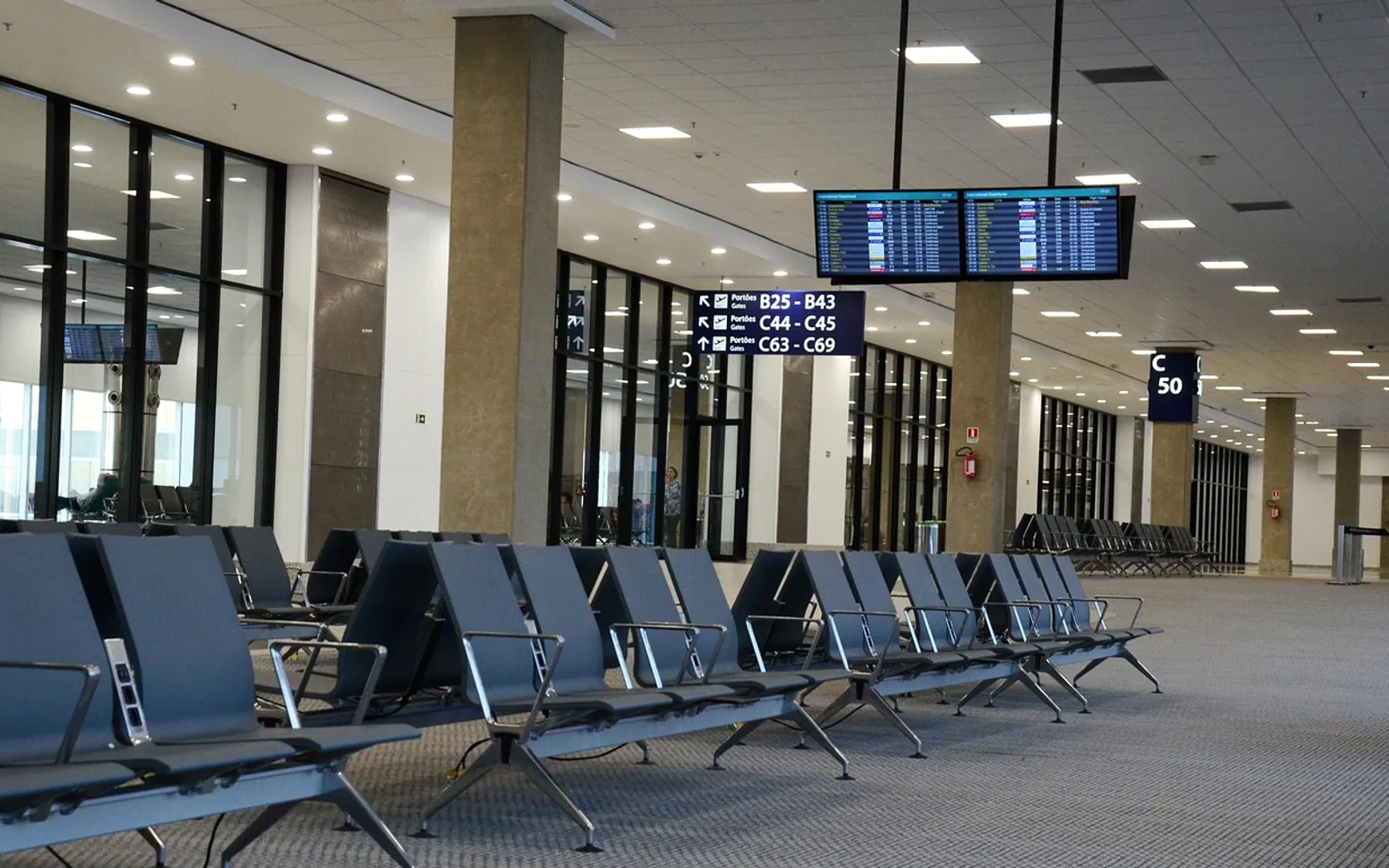
Anyone who has sat in a clinic with a numbered ticket knows the feeling: you are early, the room is quiet, and every opening door makes you look up. Much of the tension in a waiting room comes not from the appointment itself but from not knowing. How long will this take? Have they forgotten me? What happens when I go in? Thoughtfully used screens can answer many of those questions before they turn into worry, and that is where the case for digital signage in healthcare really sits.
What does a nervous patient actually need?
Mostly, reassurance that the system is working. A visible queue status or an honest note that a clinic is running late changes the mood of a room, because people stop guessing. A digital screen display placed where everyone can see it lets staff share those updates once, clearly, instead of repeating them at the desk. It can also call names or numbers, show which room to go to and point the way to toilets, lifts or the pharmacy counter.
Information about the visit itself helps too. A short explanation of what a routine blood test or check-up involves, or what to bring to the next appointment, gives people something concrete to hold on to.
Which kinds of content tend to calm a room?
- Practical updates: queue position, delays, opening hours and changes to services.
- Gentle visuals: slow nature scenes, local landscapes or simple artwork rather than fast cuts and loud adverts.
- Short health prompts: reminders about vaccinations, hand hygiene or how to order repeat prescriptions, kept general and easy to read.
- Light distraction: a weather forecast, a quiz question or a calm puzzle that passes a few minutes.
What tends to work against calm is clutter: too much text, constant flashing, or the same three slides on a loop for an hour. Fewer messages, shown long enough to read, usually feel kinder.
Should different rooms show different things?
Yes, where the space allows. A children's area benefits from bright, friendly animations and simple explanations of what a doctor's visit involves. A physiotherapy waiting area might show stretches people can ask about. A dental practice could explain how a cleaning works. Matching content to the people in the room makes the screen feel like part of the care rather than background noise. Accessibility matters as well: large fonts, good contrast and subtitles instead of sound make messages usable for more visitors.
How can a practice tell whether it helps?
The simplest signals are the everyday ones. Are fewer people coming to the desk to ask how long they have left? Do patients mention the information in feedback forms? Do staff find announcements easier? Small, regular adjustments based on what the team notices often do more than an expensive overhaul.
A screen will never replace a friendly receptionist or a clinician who takes time to explain. Used well, though, it quietly answers the questions that make waiting stressful, so that by the time a name is called, the person walking in feels a little more settled and a little better prepared.
Across the sections




Spotted a mistake?
A short note is enough.
Neighbouring questions
- No. 06A Fresh Start: How Reusable Vapes Support Smoking Cessation2 min
- No. 05Routine Checkups: The Foundation of Sustainable Dental Health3 min
- No. 04A Beginner’s Guide to Choosing Your First Vape in the UK3 min
Other themes to explore